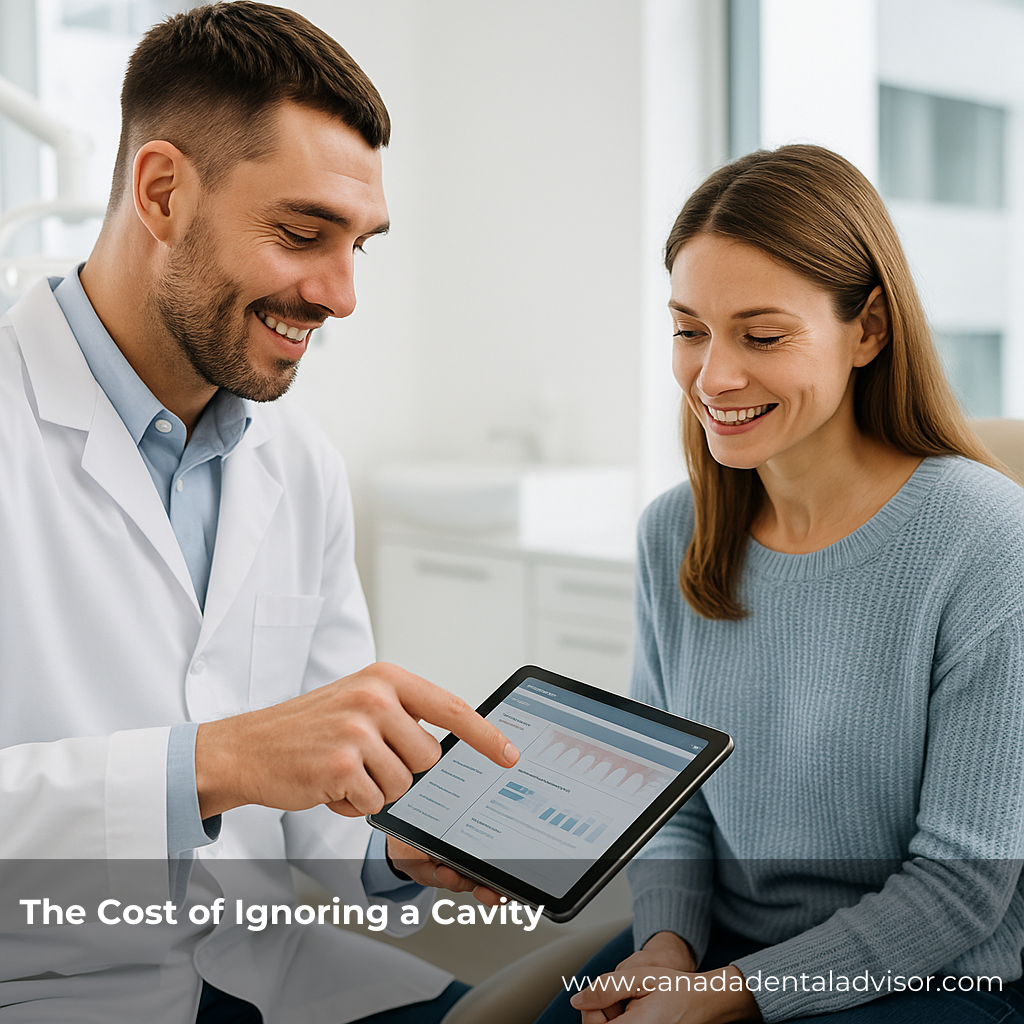
When Small Problems Become Big Ones
It started with a twinge.
Mia, a 32-year-old graphic designer, first noticed a slight discomfort when sipping her morning coffee. It was easy to ignore—just a sensitive tooth, she told herself. But over the next few months, that tiny ache turned into a deep, throbbing pain. A simple cavity had become a full-blown dental emergency, requiring a root canal, crown, and multiple visits.
Mia’s story isn’t unique. It’s a tale many adults experience, often because they don’t have a dental care plan tailored to their individual needs. And that’s the key: individualized dental care. It’s not just about catching cavities early—it’s about designing a plan that fits each patient’s lifestyle, habits, and oral health risks.
Let’s explore why personalized care plans can make all the difference.
Why Cavities Should Never Be Ignored
Cavities start small—just a tiny hole in the enamel caused by bacteria and acid. But left untreated, they don’t heal themselves. Instead, they worsen, reaching the dentin, and eventually the pulp, leading to infection, severe pain, and even tooth loss.
Ignoring a cavity can result in:
-
The need for invasive treatments like root canals or extractions
-
Higher treatment costs
-
Greater risk of infection spreading to surrounding teeth or even the bloodstream
-
Time lost from work, school, and daily life
But here’s the good news: many of these outcomes are preventable with a well-structured, personalized dental care plan.
What Are Individualized Dental Care Plans?
An individualized dental care plan is a roadmap created specifically for a patient’s oral health needs. It’s developed based on several personal factors:
-
Dental history
-
Current oral health status
-
Lifestyle and habits (e.g., diet, smoking, stress)
-
Age and risk factors
-
Medical conditions (like diabetes or dry mouth)
Instead of treating patients with a one-size-fits-all approach, personalized plans focus on prevention, education, and early intervention.
How They Improve Treatment Outcomes
1. Early Detection and Timely Action
With routine checkups tailored to your needs (maybe every 3 months instead of 6), your dentist can catch small cavities before they become serious. This means less pain, less time in the chair, and far lower costs.
2. Precision Treatment
Rather than blanket solutions, dentists use diagnostic tools and your dental profile to recommend treatments that are both effective and minimally invasive. For example, a small cavity might be treated with a fluoride varnish instead of a filling—if caught early enough.
3. Better Long-Term Planning
Personalized plans allow patients and providers to map out care over months or years. Whether you need orthodontics, implants, or just regular cleanings, it’s all part of a bigger picture aimed at sustaining your oral health.
Enhancing Patient Compliance
Let’s face it: following through on dental recommendations can be tough. Life gets busy, and people often deprioritize dental appointments until they’re in pain.
Here’s how individualized care helps improve follow-through:
-
Trust and Communication: Patients are more likely to follow advice when they understand the “why” behind the recommendations. Dentists take time to explain the link between lifestyle and oral health.
-
Personal Motivation: Plans that reflect a patient’s values (e.g., aesthetics, health goals, convenience) create stronger incentives to comply.
-
Tailored Reminders and Follow-ups: Some clinics offer texts, emails, and app notifications based on your schedule and preferences.
Building Lifelong Oral Health Habits
One of the biggest advantages of individualized care is its role in shaping long-term behaviors. Patients start seeing dental visits not as emergencies, but as part of a self-care routine.
With a personalized plan, patients can:
-
Understand how diet, hydration, and brushing technique affect their risk of decay
-
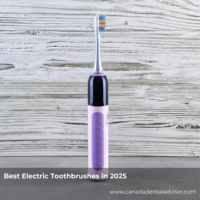
Learn which oral hygiene tools are best for them (e.g., electric toothbrushes, interdental brushes, fluoride rinses)
-
Get coaching on habits like grinding, nail-biting, or poor posture that can affect jaw alignment and dental health
It’s not just about fixing problems—it’s about preventing them entirely.
The True Cost of Ignoring a Cavity
Returning to Mia’s story: after her root canal and crown, she sat with her dentist and reviewed her dental health history. For the first time, she was given a clear, personalized care plan—regular cleanings every 4 months, a prescription toothpaste, and diet guidance to reduce sugar intake.
Today, Mia hasn’t had a new cavity in over two years. She’s proof that the cost of ignoring a cavity is far higher than the effort to prevent one.
FAQs About Individualized Dental Care
1. What’s the difference between a regular checkup and a personalized care plan?
A regular checkup is a general evaluation, while a personalized plan includes targeted strategies based on your unique risk factors, habits, and needs.
2. Are individualized plans more expensive?
Not necessarily. In fact, they often save money by preventing costly procedures and reducing the frequency of emergencies.
3. Can kids benefit from personalized dental care?
Absolutely! Early assessments can prevent orthodontic issues, decay, and help build strong hygiene habits for life.
4. How often should I visit the dentist under a customized plan?
It depends on your risk level. Some may need visits every 3 months, others just twice a year.
5. What if I’ve already had a cavity treated—do I still need a care plan?
Yes! Past decay is a risk factor for future problems. A personalized plan helps break that cycle.
6. Do all dentists offer individualized care plans?
Many modern dental practices do. It’s worth asking your provider if they customize care based on patient profiles.



Leave a Reply