Introduction: A Smile Interrupted by Cost
When Sarah, a single mother of two in Ontario, chipped her molar, she didn’t panic — until she saw the estimate. Between rent, groceries, and daycare, a $900 dental bill wasn’t just unaffordable; it was impossible. Like many low-income Canadians, Sarah found herself choosing between essential dental care and everyday survival. But her story didn’t end in pain or neglect — because of a flexible dental financing program and an individualized care plan, she not only got treated, but regained control of her oral health.
Her journey reveals something crucial: affordable dental financing paired with personalized treatment planning can transform outcomes — not just in the moment, but for a lifetime.
The Reality: Dental Care Gaps in Canada
In Canada, dental care is mostly privatized. This means if you’re not covered through employment or private insurance, you’re often paying out of pocket. According to the Canadian Dental Association, one in three Canadians has no dental insurance — and the number is higher among low-income populations.
Common barriers for low-income patients:
-
High upfront costs
-
Limited knowledge of payment options
-
Fear of judgment or neglect by providers
-
Skipping preventive care due to affordability
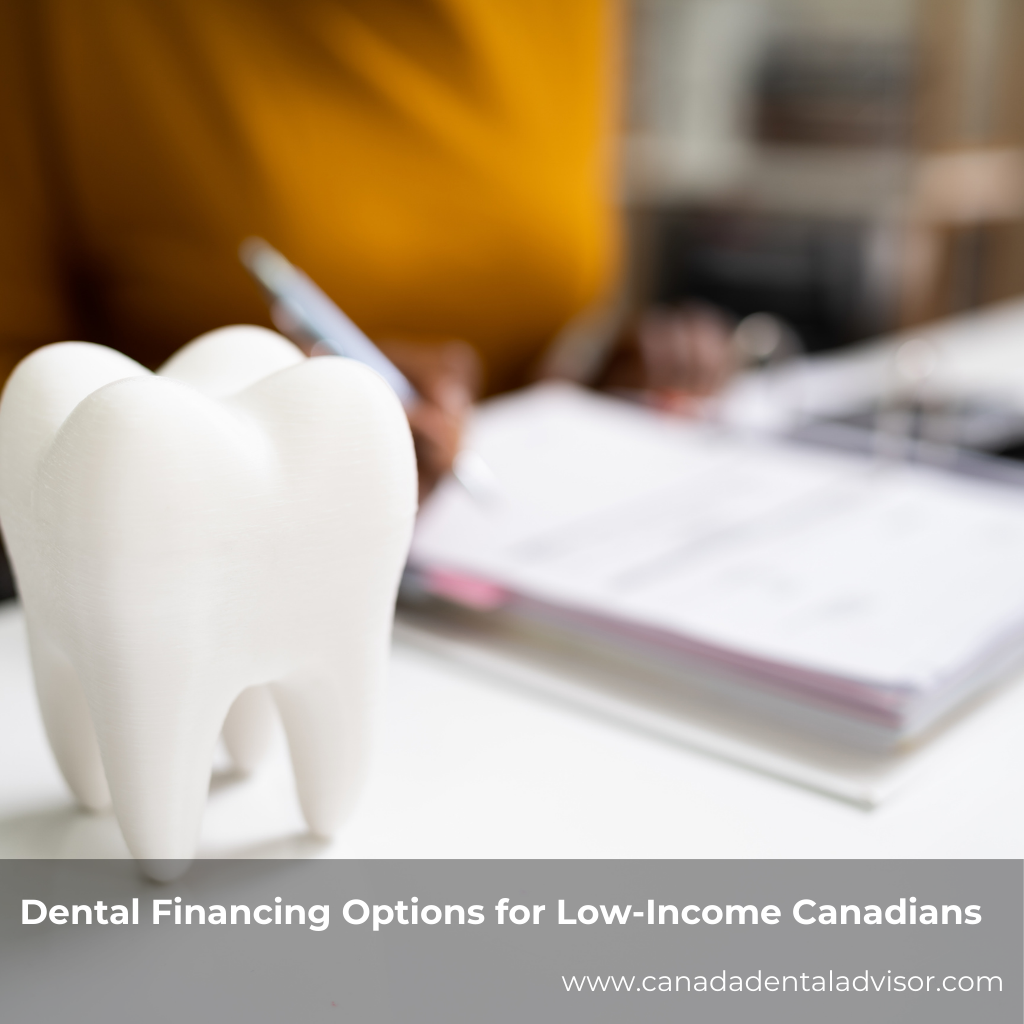
Dental Financing Options for Low-Income Canadians
Fortunately, there are financing options and public programs designed to ease the burden:
1. Government Assistance Programs
-
Healthy Smiles Ontario (HSO): Covers kids under 17 from low-income families.
-
NIHB (Non-Insured Health Benefits Program): Available for First Nations and Inuit communities.
-
Provincial Social Assistance Dental Programs: Varies by province (e.g., Alberta’s Adult Health Benefit).
2. Dental Schools & Community Clinics
-
Many Canadian dental schools offer reduced-cost services performed by supervised students.
-
Community health centers often have sliding scale fees based on income.
3. Third-Party Financing
-
Services like PayBright or Dentalcard allow patients to break payments into monthly installments.
-
Some clinics offer in-house financing plans, often with 0% interest.
4. Charitable Foundations
-
Organizations like Gift from the Heart and The Donated Dental Services program connect patients with volunteer dental professionals.
The Role of Individualized Care Plans: Beyond the Bill
Now, financing might open the door — but individualized care plans are what help patients walk through it. Here’s how:
 1. Improved Treatment Outcomes
Dentists who tailor treatment to the patient’s lifestyle, financial reality, and medical history can prioritize urgent issues while planning for long-term needs.
Example:
Instead of pushing a full-mouth restoration upfront, a dentist might address pain-causing cavities first, schedule preventive cleanings months apart, and map a multi-year strategy.
2. Enhanced Patient Compliance
When patients feel understood and not overwhelmed, they’re more likely to follow through with care.
-
Flexible timelines reduce anxiety and increase participation.
-
Realistic home care plans (like switching to affordable fluoride toothpaste or adjusting brushing techniques) make compliance feasible.
3. Building Trust for Long-Term Health
Personalized care fosters a judgment-free environment. When people feel respected, they’re more likely to return, keep up with maintenance, and even bring in their families.
Story Snapshot:
Ahmed, a newcomer in Winnipeg, was terrified of dentists due to past trauma. His provider spent time explaining procedures in simple language, spread costs over 12 months, and invited him for a no-cost follow-up. Today, he’s cavity-free and brings his kids to the same clinic.
How Clinics Can Foster Personalized, Affordable Care
If you’re a dental professional, consider these strategies:
-
Offer Free Consultations for financial assessments.
-
Train Staff in Trauma-Informed Care to handle fear and anxiety.
-
Promote Financing Options visibly in your waiting room and website.
-
Bundle Services to reduce long-term costs (e.g., cleaning + fluoride + checkup).
-
Create Multi-Year Plans so patients can plan financially and mentally.
Conclusion: Every Smile Deserves a Plan
Dental health isn’t a luxury — it’s a necessity. And while cost remains a major barrier for many Canadians, financing options and compassionate care planning can bridge that gap. For individuals like Sarah and Ahmed, it’s not just about teeth — it’s about dignity, trust, and long-term wellness.
So whether you’re a patient or a practitioner, remember: a little personalization can make dental care not only possible — but powerful.
FAQs: Dental Financing & Personalized Care
1. Are there free dental services available in Canada?
Yes. Many provinces offer limited free dental services for children, seniors, or those on social assistance. Dental schools and charities also offer pro bono care.
2. What is a dental financing plan?
It’s a way to pay for dental services over time, often monthly, with or without interest. Some are offered by third-party providers, others directly through dental clinics.
3. How can individualized care improve my dental health?
Customized plans ensure that your treatment aligns with your budget, lifestyle, and medical needs — making it more likely you’ll complete treatment and maintain your health.
4. What should I ask my dentist about financing?
Ask if they offer in-house plans, accept third-party financing, or can prioritize treatments based on urgency and cost.
5. Are there programs specifically for seniors or people with disabilities?
Yes. Programs like the Ontario Seniors Dental Care Program and NIHB cover these groups. Check your province’s health site for details.
6. Can personalized care help with dental anxiety?
Absolutely. Individualized care plans often include extra time for appointments, clearer communication, and steps to reduce fear — making the experience more comfortable.
7. What if I don’t have a credit history for financing?
Some in-house or community clinic financing doesn’t require credit checks. It’s worth asking directly — many clinics are flexible.
8. Is preventive care really cheaper?
Yes! Regular cleanings and checkups can prevent expensive procedures down the line, saving hundreds or even thousands over time.



Leave a Reply