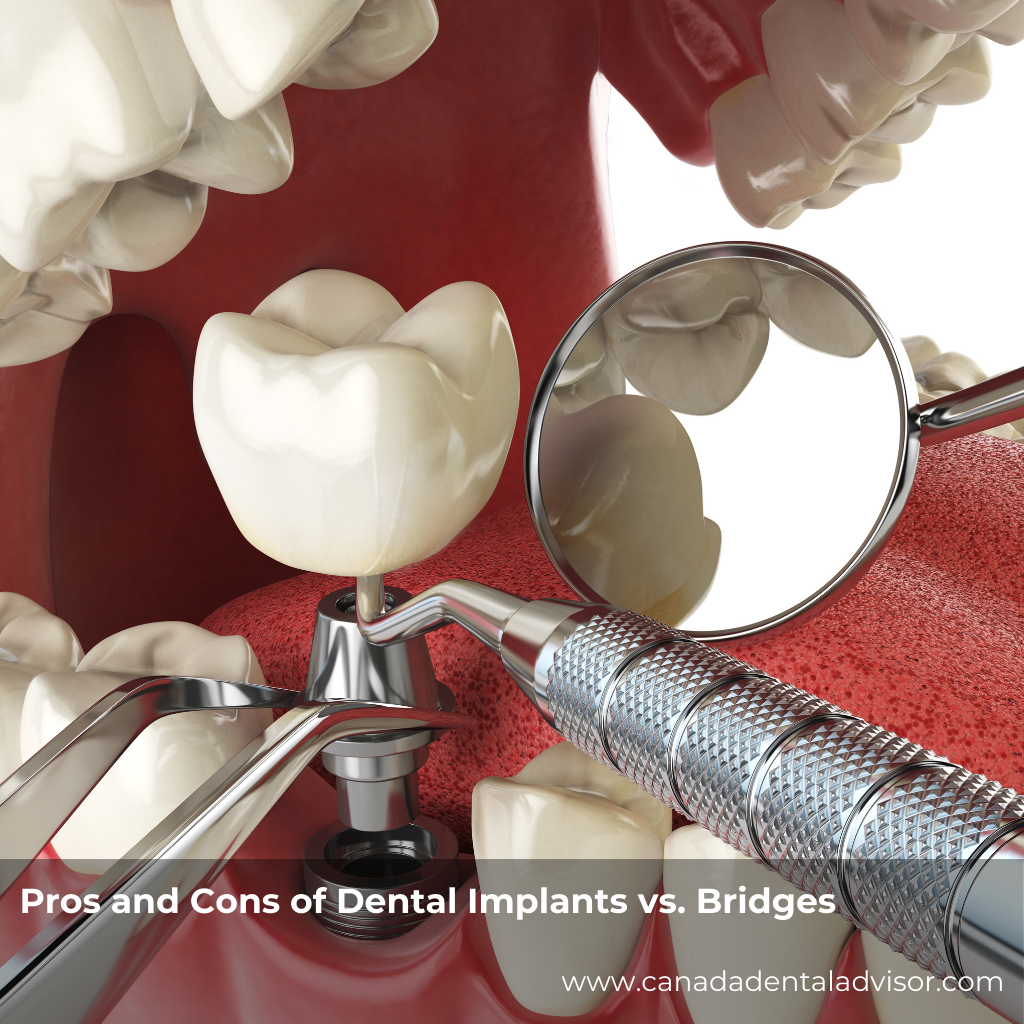
When Julie lost her first molar, she was overwhelmed by options. Should she choose a dental implant or go with a traditional bridge? Her dentist explained both options, but what truly made the difference was a personalized treatment plan that took into account Julie’s unique health history, lifestyle, and oral health goals.
This story isn’t unique. Many patients face the same crossroads, and the right decision often lies not just in the pros and cons of dental implants vs. bridges, but in how well the treatment aligns with individual needs.
Understanding the Basics
Before diving into the pros and cons, it’s essential to understand what each treatment involves:
Dental Implants
-
A titanium post is surgically inserted into the jawbone.
-
Acts as a root for a replacement tooth (crown).
-
Offers a permanent, stable solution.
Dental Bridges
-
A false tooth is anchored to adjacent natural teeth.
-
Non-surgical and quicker.
-
Can replace one or more missing teeth.
Pros and Cons at a Glance
| Feature | Dental Implants | Dental Bridges |
|---|---|---|
| Durability | 15-25 years or more | 5-15 years |
| Aesthetic Appeal | Highly natural look and feel | Also looks natural, less realistic over time |
| Bone Preservation | Prevents bone loss | Does not prevent bone loss |
| Procedure Time | Several months (healing required) | 2-3 weeks |
| Cost | Higher initial cost | More affordable upfront |
| Invasiveness | Requires surgery | Non-surgical |
| Impact on Nearby Teeth | No alteration needed | Adjacent teeth must be filed |
The Power of Individualized Care Plans
So, how do you choose between the two? This is where individualized treatment plans come into play. Here’s why they matter:
1. Improved Treatment Outcomes
Julie had a history of gum disease, which meant an implant might not integrate well without preliminary treatment. A personalized plan helped address these issues first, improving her chances of implant success. When care is tailored, it leads to more predictable, effective results.
2. Enhanced Patient Compliance
Patients are more likely to follow through with treatments that fit into their lifestyles. If someone is a smoker or has diabetes, an implant may require more commitment to healing and maintenance. When a care plan considers these factors, it sets realistic expectations and boosts adherence.
3. Fostering Long-Term Oral Health
An individualized approach isn’t just about fixing what’s broken; it’s about protecting what’s healthy. For instance, a bridge may be ideal if preserving jawbone isn’t a concern, but if maintaining bone density matters, the plan might include an implant and regular bone health monitoring. The focus is on sustainable outcomes, not one-size-fits-all fixes.
Real-Life Scenarios That Highlight the Difference
Case 1: The Athlete Jason, a 35-year-old triathlete, lost a tooth in a biking accident. His care plan included a dental implant because it provided the durability and functionality he needed for an active lifestyle.
Case 2: The Retiree Margaret, 68, opted for a dental bridge. Her bone density was low, and her health conditions made surgery a higher risk. A custom plan ensured she got a reliable, non-invasive solution.
So, Which is Better?
There is no universal answer. A dental implant might be better for someone focused on long-term stability and bone preservation, while a bridge might suit someone who prefers a quicker, less invasive fix. The best choice is the one that fits you.
Conclusion: Partner with Your Dental Team
The key takeaway? Don’t decide on dental implants vs. bridges based on general pros and cons alone. Instead, work with your dentist to build a personalized treatment plan. This collaboration not only improves treatment outcomes but also enhances your comfort, confidence, and commitment.
When your care plan reflects who you are, your journey to oral health becomes smoother, smarter, and far more successful.
FAQs
1. Are dental implants painful?
Most patients report minimal pain, managed with local anesthesia and aftercare.
2. How long do dental bridges last?
Typically 5-15 years with good oral hygiene and regular dental checkups.
3. Can I switch from a bridge to an implant later?
Yes, though you may need a bone graft if significant bone loss has occurred.
4. Is one option better for front teeth?
Implants often offer a more natural look, making them ideal for visible front teeth.
5. Which is cheaper in the long run?
While bridges are cheaper initially, implants may be more cost-effective over time due to their durability.
6. What if I have multiple missing teeth?
Both options can work, but implants may offer better support for larger gaps.
7. Will my insurance cover implants or bridges?
It depends on your plan. Some cover bridges more readily, but implant coverage is increasing.
8. How do I maintain a dental bridge?
Brush, floss (especially under the bridge), and visit your dentist regularly.
9. Do dental implants ever fail?
Failure is rare but possible, especially in smokers or those with poor oral hygiene.
10. Can children get implants or bridges?
Typically, implants are reserved for adults. Bridges may be used temporarily in young patients.






Leave a Reply