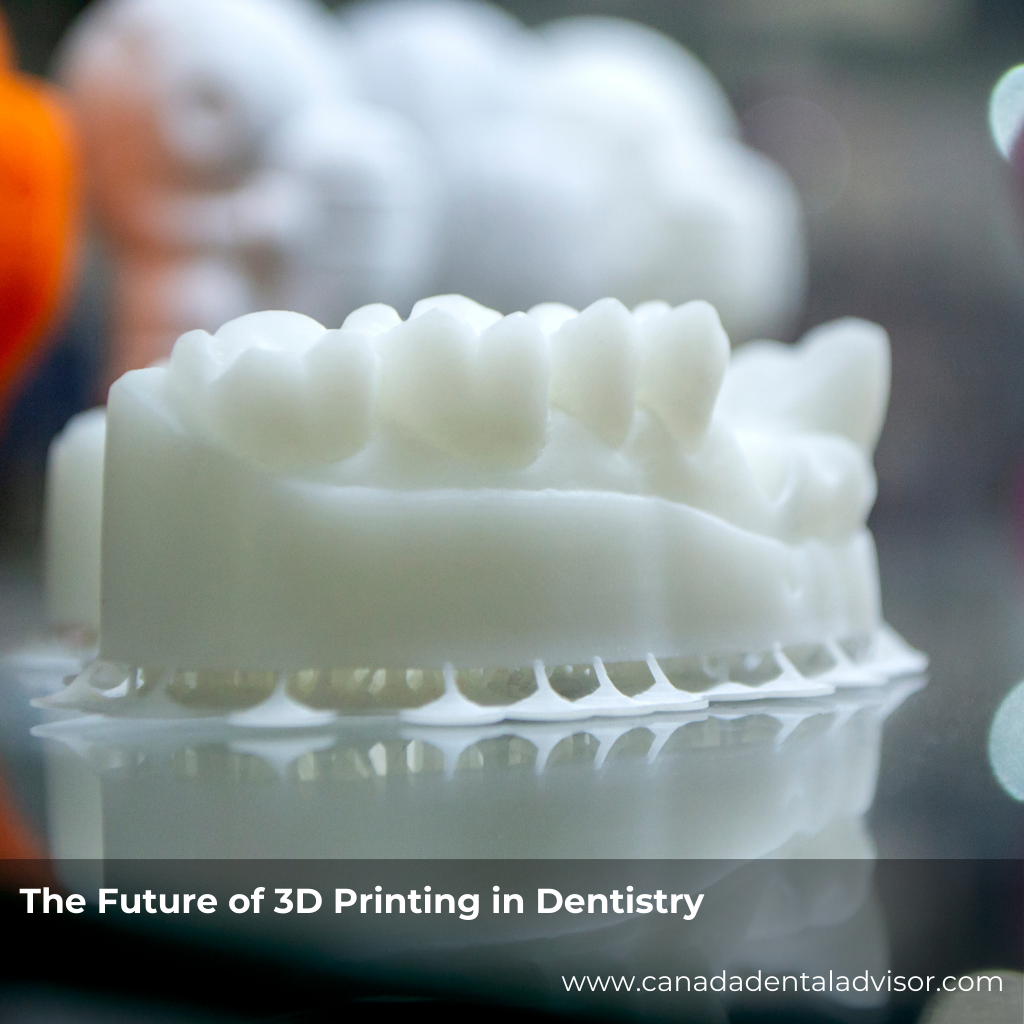
Imagine walking into a dental office and receiving a treatment plan that feels like it was made just for you—because it was. In a cozy, sunlit lab tucked inside your dentist’s office, a 3D printer hums gently, crafting a custom-fit appliance in hours rather than days. This is not science fiction. It’s the very real and rapidly evolving world of 3D printing in dentistry—and it’s transforming oral health one personalized plan at a time.
The Dawn of a Personalized Dental Era
3D printing isn’t just about flashy tech. At its heart, it’s about bringing dentistry closer to what it was always meant to be: personal. Traditional methods often rely on standard molds and one-size-fits-most solutions. But no two mouths are exactly the same. Enter 3D printing—an innovation that gives dentists the tools to design individualized care plans with unprecedented precision.
With a digital scan, dentists can now create accurate models of a patient’s teeth, jaw, and oral structure. These models serve as blueprints for crafting everything from aligners and surgical guides to crowns and dentures. All custom-made, all in-house, and often within a single appointment.
Why Individualized Care Plans Matter
Let’s take a step back. Why all this emphasis on personalization?
-
Better Fit = Better Results: A mouthguard or aligner that perfectly fits your teeth is more effective—and way more comfortable.
-
Quicker Turnaround: Traditional labs take days or weeks. 3D printing slashes that time to hours.
-
Minimized Human Error: Digital impressions reduce inaccuracies, leading to more predictable treatment outcomes.
Now, imagine applying this to every aspect of your treatment—from diagnostics to final restoration. You get care that’s not just accurate but tailored to your unique needs. This level of customization can significantly improve the success of treatments like orthodontics, implants, and even full-mouth reconstructions.
The Compliance Connection: Making It Easier for Patients
Let’s face it—many of us aren’t always model patients. We forget to wear our retainers, we miss follow-up visits, or we lose interest midway through lengthy treatments. But individualized care plans made possible through 3D printing are helping to change that narrative.
-
Comfort Inspires Consistency: A well-fitting appliance is less likely to be ignored.
-
Fast Production Reduces Drop-offs: When patients receive appliances the same day, they’re more likely to follow through.
-
Visualization Tools: Dentists can use 3D models to show patients their treatment path, making the process feel more real and engaging.
Patients don’t just get a product—they get a personalized journey, complete with visual feedback and quicker, more comfortable interventions. This keeps motivation high and dropout rates low.
Building Toward Lifelong Oral Health
Perhaps the most exciting part of this digital revolution is its long-term potential. Personalized dental care isn’t just about solving problems in the present; it’s about setting patients up for a healthier future.
Here’s how 3D printing plays a role in fostering lasting oral health:
-
Predictive Planning: With accurate digital models, dentists can anticipate issues and plan proactive treatments.
-
Ongoing Customization: As patients age or undergo changes (like tooth loss or orthodontics), new appliances can be printed on-demand.
-
Digital Records: Every 3D scan and design is saved, creating a lifelong dental history that can be revisited as needed.
This means fewer surprises, smoother treatment paths, and a relationship with your dentist that grows stronger and more insightful over time.
Real-Life Success Stories
Consider Ava, a 14-year-old with complex orthodontic needs. In the past, she might’ve worn bulky braces for years. But thanks to 3D printing, her orthodontist crafted a series of clear aligners custom-fit to her ever-changing smile. Every few weeks, she received a new set, printed on-site using updated scans. The result? A beautiful smile in half the expected time—and a patient who actually enjoyed going to the dentist.
Or take Mr. Collins, a 68-year-old retiree with a loose denture issue. His dentist used 3D scanning to capture his jaw structure and printed a snug-fitting denture that didn’t shift or rub. It was ready in 24 hours. Mr. Collins now eats, smiles, and speaks with confidence again.
These aren’t outliers—they’re becoming the norm.
Conclusion: A Personalized Future Worth Smiling About
3D printing in dentistry isn’t just about speed or tech—it’s about you. It’s about care plans designed for your comfort, your schedule, and your future health. From improved treatment outcomes to better compliance and long-term wellness, individualized care powered by 3D printing is reshaping the way we think about going to the dentist.
So the next time you step into a dental office, don’t be surprised if the whirr of a printer is part of your treatment. It’s not just printing a crown—it’s crafting a better future for your smile.
Frequently Asked Questions
1. What is 3D printing in dentistry used for?
It’s used to create custom dental devices like crowns, bridges, aligners, dentures, and surgical guides quickly and accurately.
2. Is 3D-printed dental work as reliable as traditional methods?
Yes! In fact, 3D-printed devices often offer a better fit and faster turnaround, reducing the chances of errors or adjustments.
3. Can all dental offices use 3D printing?
Not yet, but the technology is becoming more accessible and affordable, making it increasingly common in modern practices.
4. Does 3D printing make dental treatments more expensive?
Not necessarily. While the initial setup is costly for clinics, savings from quicker production and fewer lab fees can keep patient costs competitive.
5. How long does it take to print a dental appliance?
Depending on the complexity, many devices can be printed in just a few hours—sometimes even while you wait.
6. Is it safe?
Yes. Dental-grade 3D printing materials are biocompatible and meet strict safety standards.
7. Will 3D printing replace traditional dental labs?
Not entirely. Labs still play a role, but 3D printing allows for more in-house, on-demand production, speeding up care.
8. Can 3D printing help with preventative dentistry?
Absolutely! Digital models help detect early issues and allow for proactive treatments before problems escalate.
9. What materials are used in dental 3D printing?
Common materials include biocompatible resins, metal powders, and ceramics depending on the device being produced.
10. Is 3D printing used in cosmetic dentistry?
Yes! Veneers, crowns, and smile previews can be printed to ensure a natural and aesthetic result.
Leave a Reply