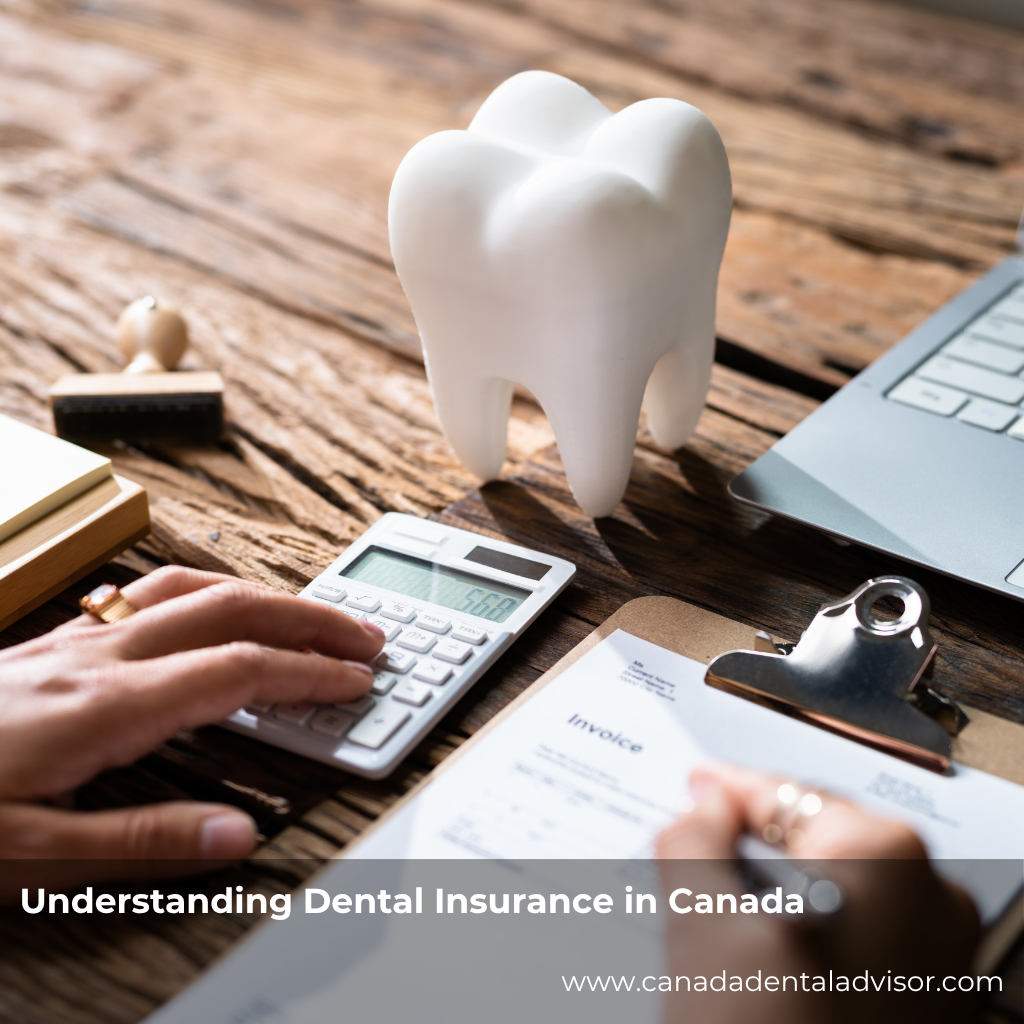
The Basics of Dental Insurance in Canada
Unlike many countries with universal dental coverage, Canada’s public health system doesn’t typically include dental care for adults. Most Canadians rely on employer-provided benefits or private dental insurance plans to cover costs like:
-
Preventive care (cleanings, exams, X-rays)
-
Basic procedures (fillings, extractions)
-
Major treatments (crowns, bridges, dentures)
-
Orthodontics (in some cases)
Dental insurance helps reduce out-of-pocket costs and encourages regular visits. But it’s more than just a financial tool—it’s a gateway to preventive care and early intervention. And when combined with personalized treatment plans, it becomes a powerhouse for long-term oral health.
What Is an Individualized Dental Care Plan?
Think of an individualized care plan as a dental roadmap tailored specifically to your needs. It considers your:
-
Medical history
-
Oral health condition
-
Lifestyle and habits
-
Budget and insurance coverage
-
Treatment goals (cosmetic, functional, or preventive)
Instead of a one-size-fits-all checklist, your dentist creates a flexible timeline that prioritizes what matters most to your health and finances.
Key Components Include:
-
Personalized hygiene schedule
-
Treatment phasing to match insurance benefits and affordability
-
Education and habit coaching
-
Follow-up and reassessment checkpoints
How Personalized Plans Improve Treatment Outcomes
When dentists and patients co-create a care plan, it leads to more effective and sustainable outcomes. Here’s how:
1. Improved Accuracy in Diagnosis and Treatment
A personalized plan ensures your dentist thoroughly assesses your condition and crafts interventions that suit your biology and behavior. For example:
-
A smoker may need more frequent cleanings
-
A patient with diabetes may need extra gum care
-
Someone with a history of cavities may require fluoride applications
2. Better Use of Dental Insurance Benefits
Care plans can strategically space out treatments to align with annual maximums and avoid surprise expenses. This way:
-
Major procedures can be broken into stages
-
Preventive care gets prioritized, saving money down the line
Enhancing Patient Compliance Through Personalization
One of the hidden challenges in dentistry is patient follow-through. Missed appointments, ignored advice, and treatment delays can undermine even the best dental intentions.
Here’s where individualized plans shine:
• Patient Empowerment
When people understand the “why” behind their treatment, they’re more likely to commit. Personalized plans often include visual aids, lifestyle coaching, and checklists to make things relatable.
• Convenient Scheduling
Some plans build around work, school, or travel, making it easier to stick to the schedule.
• Motivation Through Milestones
Just like a fitness plan, progress in dental care becomes motivating. Milestones like “no new cavities in six months” can be celebrated and rewarded.
Long-Term Oral Health: The Real Goal
Sarah’s story started with insurance coverage but bloomed with a plan that matched her reality. The result? Fewer emergency visits, more predictable expenses, and a genuine sense of ownership over her family’s oral health.
The Long-Term Benefits of Individualized Dental Care:
-
Fewer invasive procedures due to early intervention
-
Reduced risk of chronic disease (gum health is linked to heart and diabetes risk)
-
Lower lifetime dental costs
-
Higher patient satisfaction and retention
In short: personalized care isn’t just about teeth—it’s about trust, transformation, and total well-being.
Conclusion: Your Smile Deserves a Plan
Dental insurance in Canada may not cover everything, but when paired with a customized care strategy, it can be a game-changer. Whether you’re managing a tight budget, planning cosmetic work, or simply trying to stay on top of your cleanings, individualized care ensures you’re not just another appointment on the calendar.
Ask your dentist today: “Can we create a care plan tailored to me?”
Your smile—and your wallet—will thank you.
Frequently Asked Questions
1. Does Canadian public health insurance cover dental care?
Typically, no. Public coverage is limited to children, low-income adults, or emergency cases. Most Canadians use private or employer-based insurance.
2. What’s the difference between a treatment plan and a care plan?
A treatment plan focuses on immediate procedures. A care plan includes ongoing preventive strategies, lifestyle adjustments, and personalized goals.
3. Can I create a care plan without insurance?
Yes! While insurance helps with cost, dentists can still build a care plan that fits your financial situation and oral health needs.
4. How often should a care plan be updated?
Generally every 6–12 months or when there are significant changes in your health, lifestyle, or dental coverage.
5. Will a care plan cover cosmetic procedures?
If desired, yes—but these may not be covered by insurance. Your dentist can include cosmetic options and work with you on timing and budgeting.
6. How do I find a dentist who offers individualized care plans?
Look for dental clinics that emphasize patient education, long-term relationships, and personalized care in their marketing or patient reviews.




Leave a Reply