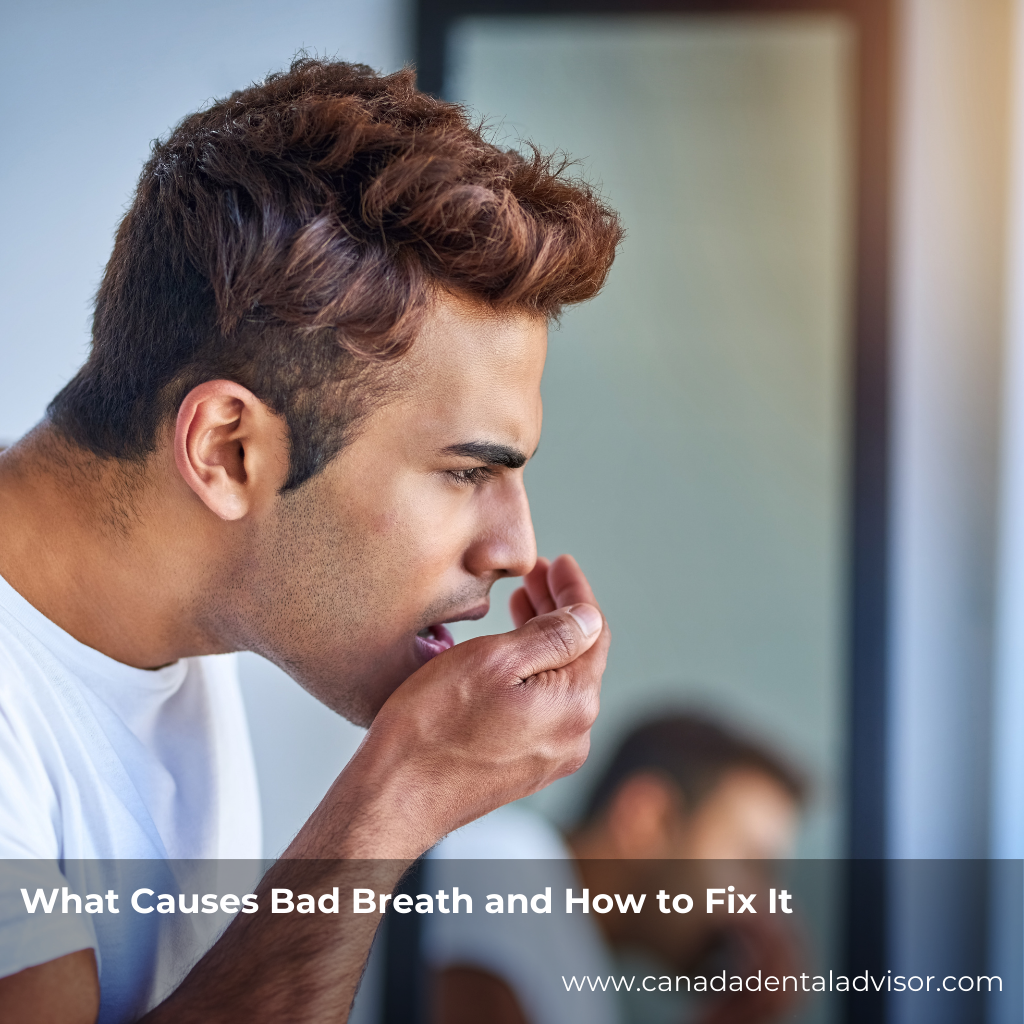
What Really Causes Bad Breath?
Bad breath doesn’t come from nowhere—it has triggers. Some are simple, others more complex. Here are the most common culprits:
-
Food and Drink: Garlic, onions, coffee, and alcohol leave strong odors that brushing alone can’t always erase.
-
Poor Oral Hygiene: When plaque builds up on teeth and tongue, bacteria release foul-smelling sulfur compounds.
-
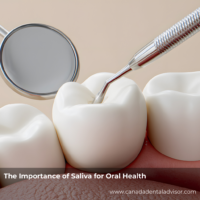
Dry Mouth: Saliva is nature’s mouthwash. Without enough of it, food particles linger and odors thrive.
-
Gum Disease: Infection in the gums creates toxins and odors that no mint can mask.
-
Medical Conditions: Acid reflux, sinus infections, or even diabetes can contribute to persistent bad breath.
The Problem with Quick Fixes
Chewing gum, popping mints, or swishing mouthwash may give short-term relief. But here’s the truth: these are band-aids, not cures.
For lasting results, you need a tailored approach—one that looks at the why behind your bad breath.
How Individualized Care Plans Work
Think of a care plan as a personalized roadmap. No two people have the same cause of bad breath, so no two treatment plans should look identical.
1. Comprehensive Assessment
A dentist begins by evaluating oral hygiene, diet, medical history, and lifestyle. This step identifies whether your bad breath is caused by gum disease, dry mouth, or another factor.
2. Targeted Treatment
-
If gum disease is the culprit → deep cleaning and periodontal therapy.
-
If dry mouth is the issue → saliva-stimulating products or lifestyle adjustments.
-
If diet is playing a role → nutrition guidance and habit tweaks.
3. Patient Education
Dentists provide step-by-step strategies for home care, such as tongue cleaning techniques, flossing routines, or hydration habits.
4. Ongoing Support
Follow-up visits help monitor progress and keep you on track—like a coach cheering you on toward better oral health.
Why Individualized Care Improves Outcomes
A one-size-fits-all fix doesn’t cut it. But individualized care plans do three big things:
-
Improve Treatment Success
When the root cause is identified and treated, results are quicker, more effective, and longer-lasting. -
Boost Patient Compliance
Patients are more likely to stick to a plan that feels personal and practical for their lifestyle. -
Foster Long-Term Oral Health
Instead of temporary fixes, individualized care builds healthier habits, reducing the chances of future problems.
How to Fix Bad Breath at Home (with Dentist Guidance)
While professional care is essential, here are steps you can start today—ones your dentist might recommend as part of your plan:
-
Brush twice daily and floss once a day.
-
Don’t forget your tongue—use a scraper or brush it gently.
-
Stay hydrated to prevent dry mouth.
-
Limit strong-smelling foods before social events.
-
Quit smoking—it’s a leading cause of persistent bad breath.
-
Schedule regular dental checkups to stay ahead of problems.
Conclusion
Bad breath doesn’t have to control your confidence or relationships. By understanding what causes bad breath and how to fix it, and by working with your dentist on an individualized care plan, you’ll not only enjoy fresher breath—you’ll also be building habits that protect your oral health for years to come.
Call-to-Action:
If bad breath has been bothering you, don’t just mask it—fix it for good. Schedule a dental checkup today and ask about a personalized care plan that fits your needs.
FAQs
1. Can bad breath be a sign of serious health problems?
Yes. While often linked to oral hygiene, persistent bad breath can signal gum disease, diabetes, or digestive issues. Always consult your dentist.
2. How can I tell if I have bad breath?
You can lick your wrist, let it dry, and sniff, or ask a trusted friend. A dentist can also provide an honest assessment.
3. Does mouthwash cure bad breath?
No. Mouthwash may temporarily mask odor, but it doesn’t address the root cause. A personalized dental plan is key for lasting results.
4. Why is my bad breath worse in the morning?
During sleep, saliva production decreases, letting odor-causing bacteria thrive. Morning brushing and hydration help.
5. Can diet changes really help?
Absolutely. Avoiding strong-smelling foods, drinking plenty of water, and reducing sugar can minimize bad breath triggers.
6. How often should I see a dentist for bad breath?
If bad breath is persistent, book a visit right away. Regular checkups every 6 months help prevent issues from returning.
7. Can stress cause bad breath?
Yes. Stress can contribute to dry mouth, which increases odor-causing bacteria.
8. Do children get bad breath too?
Yes. Causes may include poor brushing, mouth breathing, or tonsil issues. Pediatric dentists can help.





Leave a Reply