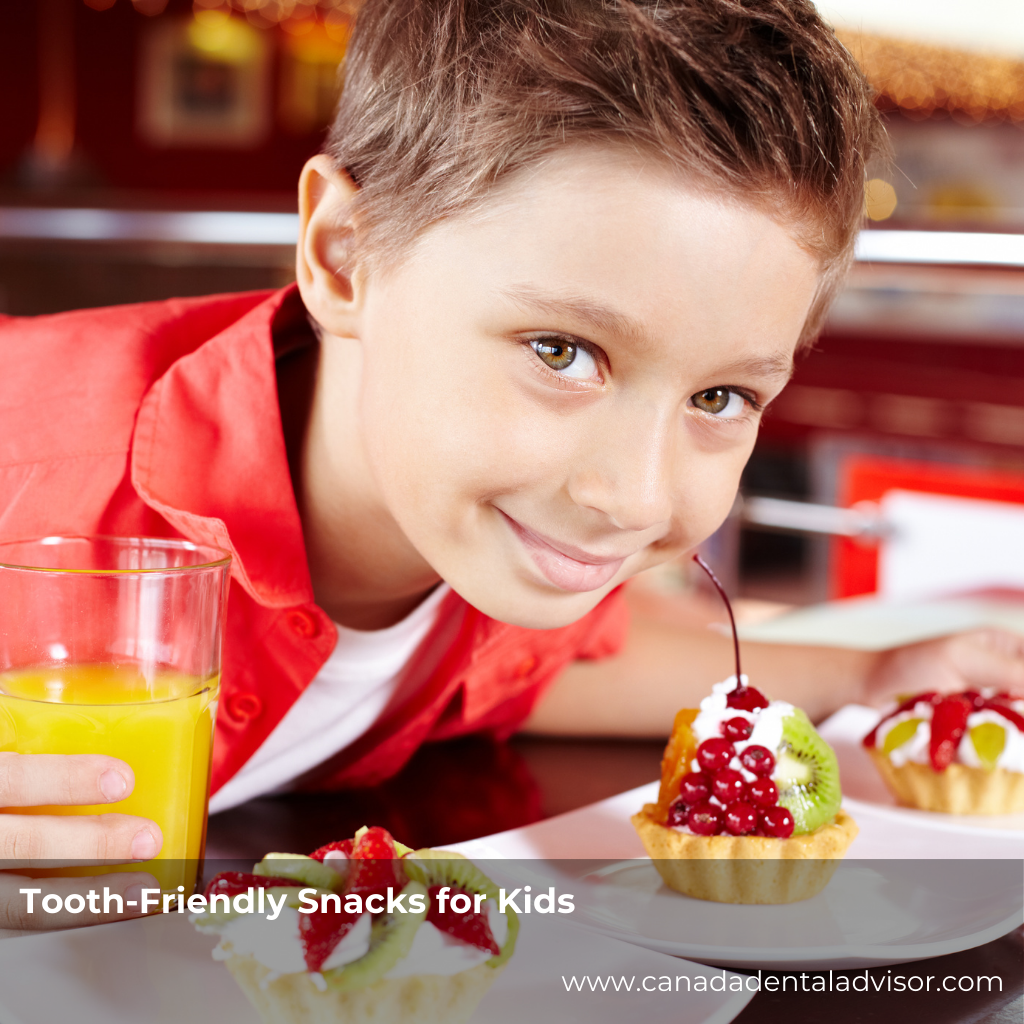
Why Snacks Matter in Kids’ Oral Health
Children snack more frequently than adults, and the type of snacks they eat has a direct impact on their teeth. Sugary, starchy, or sticky foods can cling to enamel, feeding bacteria and causing cavities. On the other hand, nutritious, tooth-friendly snacks—like cheese, crunchy veggies, and nuts—help neutralize acids, stimulate saliva, and strengthen teeth.
When snack choices are woven into a child’s individualized care plan, the benefits go beyond cavity prevention—they empower kids and parents to make better daily choices.
The Power of Individualized Care Plans
Imagine two children:
-
Sophie, a 6-year-old who loves apples but struggles with frequent cavities due to soft enamel.
-
Liam, a 9-year-old with braces who snacks on sticky granola bars that cling to his brackets.
If both followed the same generic “eat less sugar” advice, they might not see much improvement. Instead, individualized care plans allow dentists to tailor recommendations:
-
Sophie may benefit from more calcium-rich snacks (like yogurt or cheese) to strengthen enamel.
-
Liam may be guided toward softer, non-sticky alternatives like banana slices or cheese sticks.
This personalized approach ensures kids not only protect their teeth but also enjoy snacks suited to their preferences and needs.
How Individualized Plans Improve Treatment Outcomes
1. Targeted Nutrition Guidance
Dentists can work with families to identify snack options that align with each child’s oral health condition. For example:
-
Kids prone to cavities → more water-rich fruits and dairy.
-
Kids with orthodontics → softer, less sticky foods to protect braces.
-
Kids with high acid erosion → snacks that neutralize acid, like cucumbers or almonds.
2. Increased Patient Compliance
Generic advice like “avoid sugar” often feels restrictive. But when kids are given specific, fun alternatives that they enjoy, compliance improves. Instead of banning treats altogether, a dentist may suggest:
-
Apple slices with peanut butter instead of cookies.
-
Frozen yogurt dots instead of candy.
-
Popcorn (plain) instead of chips.
When children see that their dentist isn’t taking away snacks but helping them discover better ones, they’re more likely to follow through.
3. Long-Term Oral Health Habits
Individualized care plans don’t stop at one appointment. They evolve as kids grow, transition to braces, or develop new habits. By building personalized snack strategies into their routines, kids learn to view oral health as a lifelong journey—not a list of rules.
Examples of Tooth-Friendly Snacks for Kids
Here are some dentist-approved snack ideas that often make their way into individualized care plans:
-
Cheese cubes & whole-grain crackers – boosts calcium and neutralizes acids.
-
Carrot sticks & hummus – crunchy, fiber-rich, and fun to dip.
-
Apple slices with almond butter – natural sweetness with added protein.
-
Plain yogurt with berries – low-sugar, probiotic-rich option.
-
Cucumber rounds & cherry tomatoes – hydrating and tooth-friendly.
-
Frozen banana slices dipped in dark chocolate – sweet treat with less sugar.
Each child’s favorites can be built into their plan, making oral health feel achievable instead of restrictive.
Fostering a Team Approach Between Parents, Kids, and Dentists
The most successful individualized care plans don’t come from dentists alone—they’re built as a team effort:
-
Dentists assess risks and provide tailored snack recommendations.
-
Parents reinforce choices at home, stocking up on tooth-friendly options.
-
Kids learn through positive reinforcement and fun alternatives.
This teamwork creates an environment where oral health feels empowering instead of overwhelming.
Conclusion
Tooth-friendly snacks for kids are more than just healthy food choices—they’re building blocks for brighter smiles and healthier futures. By weaving individualized care plans into dental visits, children not only receive tailored treatment but also discover fun, tooth-safe snacks that fit their lifestyle.
The result? Better treatment outcomes, happier compliance, and the foundation for lifelong oral health.
So next time you’re in the snack aisle, remember: it’s not about saying “no” to everything—it’s about saying “yes” to the right things, with a little personalized guidance along the way.
FAQs
1. What are the best tooth-friendly snacks for kids?
Cheese, yogurt, apples, carrots, cucumbers, and nuts are all great options. They help neutralize acids and strengthen teeth.
2. Can kids still have sweets in an individualized care plan?
Yes—dentists usually recommend moderation and timing sweets with meals to reduce damage. Alternatives like dark chocolate or frozen fruit can also help.
3. How do individualized care plans help picky eaters?
Plans are flexible—dentists can work with parents to find healthy snack swaps that suit even selective eaters.
4. Do braces change which snacks kids can eat?
Definitely. Sticky or crunchy snacks can damage brackets, so orthodontic-friendly options like soft cheese, yogurt, or bananas are recommended.
5. How often should kids snack for good oral health?
Limiting snacks to two or three times a day, paired with water, helps reduce acid attacks on teeth.
6. Are packaged snacks always bad for teeth?
Not always—look for low-sugar options without sticky textures. Whole-grain crackers or unsweetened applesauce can fit into a care plan.
7. Can snack choices really prevent cavities?
Yes! Paired with brushing, flossing, and regular dental visits, tooth-friendly snacks reduce cavity risk significantly.
8. How do parents know if their child needs an individualized care plan?
If a child has recurring cavities, braces, enamel issues, or dietary challenges, a personalized plan can make a big difference.





Leave a Reply