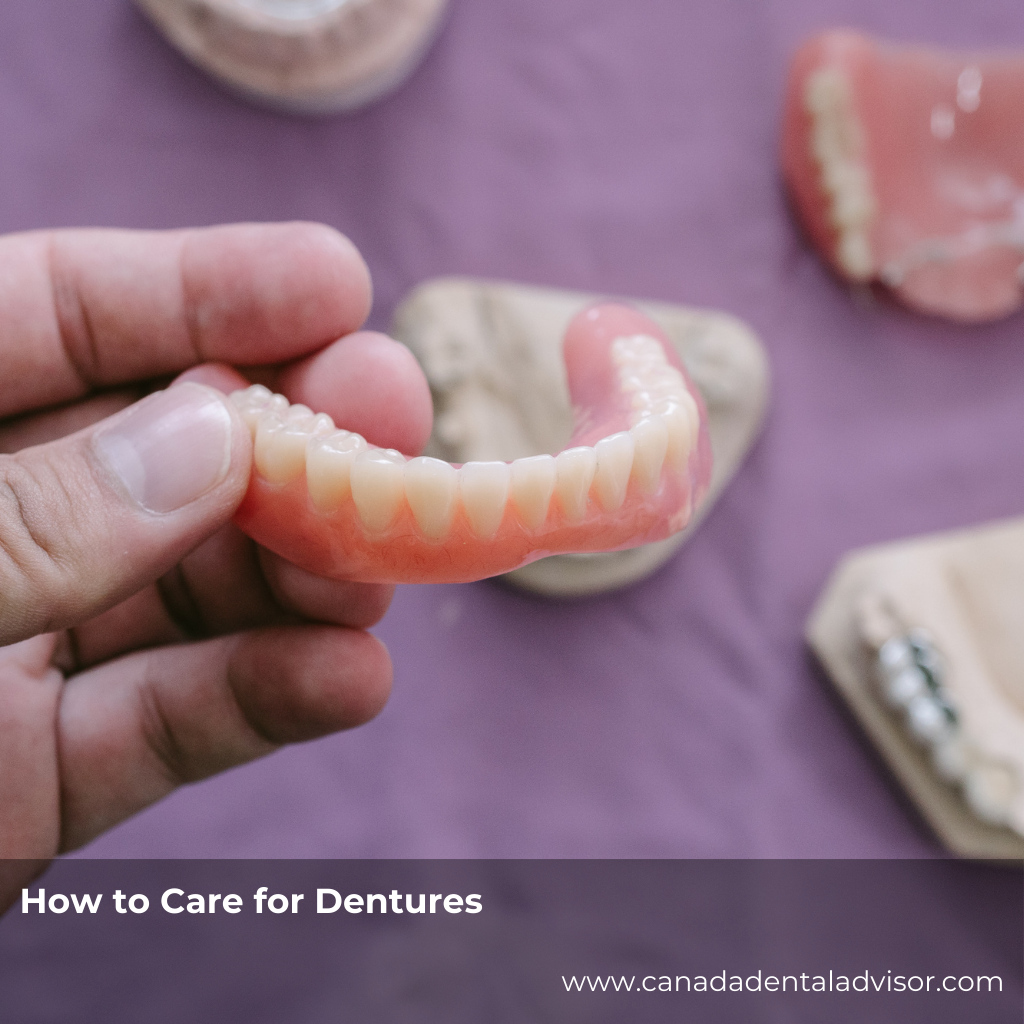
Why Individualized Denture Care Matters
Every patient has a different journey with dentures. Some are adapting to full dentures after years of missing teeth, while others are adjusting to partials that blend with their natural smile. Without proper care, dentures can lead to:
-
Discomfort and sores from poor fit or hygiene.
-
Oral infections like stomatitis or thrush.
-
Faster wear and tear on the prosthesis.
-
Declining oral health due to neglect of gums and supporting structures.
By creating personalized care plans, dental professionals can address these risks early, helping patients feel confident and supported.
Step 1: Daily Cleaning That Fits Your Lifestyle
Everyone knows dentures need cleaning—but how it’s done can vary depending on the patient.
-
For busy patients: A simple routine of rinsing after meals and soaking overnight can be easy to stick with.
-
For those with dexterity challenges: Special denture brushes with larger handles or ultrasonic cleaners can make hygiene more manageable.
-
For patients with sensitive gums: Using non-abrasive cleansers and lukewarm water helps avoid irritation.
The goal isn’t just “clean dentures.” It’s creating a routine that feels achievable every single day.
Step 2: Proper Handling and Storage
One of the most common denture mishaps? Dropping them in the sink.
-
Personalized tip: Patients prone to accidents can be advised to clean dentures over a soft towel or bowl of water.
-
Storage matters too: Overnight soaking keeps dentures moist, but the solution (plain water vs. specialized cleanser) can be customized based on the patient’s oral health history.
By tailoring these small details, patients are more likely to comply—and their dentures last longer.
Step 3: Regular Dental Visits
It’s easy for patients to assume that once they have dentures, they no longer need checkups. The truth is, ongoing visits are essential.
-
For new wearers: Frequent follow-ups help adjust fit and prevent sore spots.
-
For long-term wearers: Regular exams allow dentists to monitor gum changes, bone resorption, and denture stability.
-
For high-risk patients: Those with diabetes, dry mouth, or a history of oral infections may need extra monitoring.
Framing visits as part of a “team effort” often helps patients feel more invested in their oral health journey.
Step 4: Nutrition and Lifestyle Support
Learning how to care for dentures extends beyond cleaning. Eating, speaking, and living with them takes adjustment.
-
Personalized diet plans: Soft foods at first, then gradually reintroducing harder textures.
-
Speech practice: Some patients benefit from reading aloud daily to adapt more quickly.
-
Lifestyle habits: Smokers may need additional hygiene support, while patients with active social lives may want tips for managing adhesives discreetly.
When patients feel that their care plan matches their life, they’re more likely to stick with it.
Step 5: Emotional and Psychological Support
Dentures don’t just change how someone eats—they can change how they feel about themselves. Some patients experience embarrassment, frustration, or even social withdrawal.
By creating individualized care plans that address emotional well-being, dental professionals can:
-
Encourage open conversations about fears or frustrations.
-
Provide reassurance that adjustment takes time.
-
Share success stories from other patients to build confidence.
Long-Term Benefits of Personalized Denture Care
When patients receive care that reflects their unique needs, the results are powerful:
-
Improved comfort and fit for daily wear.
-
Higher compliance rates with cleaning and checkups.
-
Better oral health with reduced risk of infections and irritation.
-
Stronger patient-dentist relationships built on trust and communication.
-
Enhanced quality of life, from eating favorite foods to smiling without hesitation.
Conclusion
Learning how to care for dentures is more than a checklist—it’s a journey. Just like Mrs. Thompson, patients thrive when their care plans are tailored to their unique needs and lifestyle. By focusing on individualized strategies, dental professionals can improve outcomes, increase compliance, and safeguard long-term oral health.
If you or someone you know is starting their denture journey, don’t hesitate to ask your dentist for a personalized care plan—it’s the key to keeping that new smile healthy and confident for years to come.
FAQs on How to Care for Dentures
1. How often should I clean my dentures?
At least once a day, ideally after meals. A daily routine prevents plaque buildup and staining.
2. Can I use regular toothpaste on my dentures?
No—regular toothpaste is abrasive and can scratch dentures. Use a denture-specific cleanser instead.
3. How do I know if my dentures don’t fit properly?
Signs include sore spots, difficulty chewing, or dentures that slip while speaking. Visit your dentist for adjustments.
4. Should I wear my dentures at night?
Most dentists recommend removing them at night to give gums a rest and to prevent infections.
5. How long do dentures usually last?
With proper care, dentures last 5–10 years, but relines or adjustments may be needed as your mouth changes.
6. Can dentures affect my taste?
Some patients notice mild changes, especially with upper dentures covering the palate. Over time, most adapt fully.
7. What should I do if my dentures break?
Never try to repair them at home with glue. Contact your dentist immediately for professional repair.





Leave a Reply