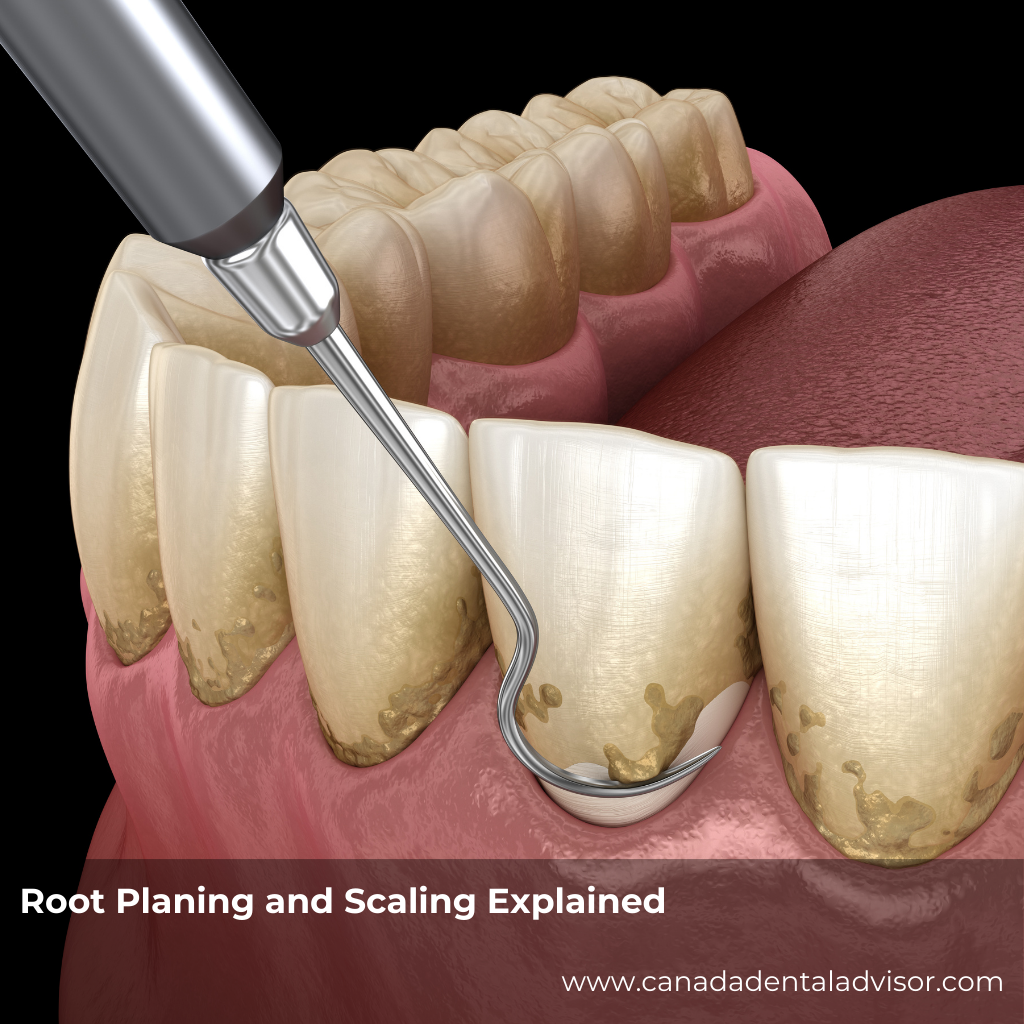
What is Root Planing and Scaling?
Root planing and scaling is often described as a “deep cleaning” for your gums. Here’s how it works:
-
Scaling removes hardened plaque and tartar from above and below the gumline.
-
Root planing smooths the root surfaces of your teeth to discourage bacteria from reattaching and to allow the gums to heal.
For patients with gingivitis or early-stage periodontal disease, this procedure can stop gum disease in its tracks and prevent more serious complications like bone loss or tooth mobility.
Why Individualized Care Plans Matter
No two mouths are alike. Just as every patient has a different medical history, lifestyle, and set of challenges, their periodontal treatment plan should reflect those differences.
1. Improved Treatment Outcomes
When care plans are tailored to the individual, dentists and hygienists can address factors that directly affect healing, such as:
-
The severity of gum disease.
-
Presence of risk factors like diabetes or smoking.
-
Oral hygiene habits at home.
-
Frequency of dental visits in the past.
By adjusting the depth of cleaning, the number of appointments, or the use of adjunctive therapies (such as localized antibiotics or laser therapy), patients are far more likely to experience successful healing and reduced gum inflammation.
2. Enhanced Patient Compliance
Think about it: if a plan feels overwhelming, generic, or unattainable, most patients won’t follow through. But when a treatment strategy is designed with a patient’s lifestyle in mind—whether that means scheduling shorter appointments, using visual aids to explain gum health, or setting realistic at-home care goals—patients are more likely to stay engaged.
Personalized care builds trust. Patients feel heard and supported, which translates into better compliance with follow-up visits and daily homecare routines.
3. Long-Term Oral Health
Root planing and scaling is not a one-and-done treatment. Gum health requires maintenance. Individualized care plans often include:
-
Customized recall intervals (every 3, 4, or 6 months).
-
Personalized at-home care instructions (flossing tools, interdental brushes, or mouth rinses).
-
Nutritional or lifestyle counseling for patients with risk factors.
This approach ensures that treatment results last and that gum disease stays under control for years to come.
A Patient Story: Maria’s Journey
Take Maria, for example. At her first visit, her gums bled easily, and she hadn’t been to a dentist in five years. She was diagnosed with moderate periodontal disease and recommended for root planing and scaling.
But Maria was nervous and skeptical. Her dentist created a care plan just for her:
-
Splitting treatment into two shorter visits instead of one long session.
-
Providing before-and-after photos of similar cases to ease her fears.
-
Suggesting a water flosser instead of traditional floss, since Maria admitted she never used floss consistently.
-
Scheduling three-month recalls to monitor her healing closely.
Six months later, Maria’s gums were healthier, her bleeding had reduced dramatically, and—most importantly—she felt empowered to maintain her oral health. Her story is proof that individualized care transforms outcomes.
Tips for Patients Facing Root Planing and Scaling
If your dentist recommends this procedure, here are a few steps you can take to make the most of it:
-
Ask questions. Understand why the treatment is needed and how it helps.
-
Be honest about your habits. Whether you smoke, snack often, or struggle with flossing, transparency helps your dentist tailor the plan.
-
Commit to follow-ups. Maintenance visits are key to preventing gum disease from returning.
-
Adopt small changes at home. Even switching from manual to electric brushing can make a difference.
-
Stay positive. Remember, gum disease is manageable when caught early and treated consistently.
Conclusion
Root planing and scaling is more than a deep cleaning—it’s the foundation of restoring gum health. But the real magic happens when the treatment is paired with a personalized care plan. This approach improves healing, keeps patients motivated, and protects oral health for the long run.
If your dentist recommends root planing and scaling, view it as an opportunity—not just to treat gum disease, but to start a customized journey toward a healthier smile that lasts a lifetime.
Frequently Asked Questions (FAQ)
1. Is root planing and scaling painful?
Most patients experience little to no pain thanks to local anesthesia. Some mild soreness afterward is normal.
2. How long does the procedure take?
It depends on the severity of gum disease. Some patients complete treatment in one visit, while others may need two or more.
3. Will my gums fully heal after treatment?
Healing varies, but many patients see reduced inflammation, less bleeding, and tighter gums within weeks.
4. How often will I need maintenance visits?
Most patients benefit from visits every 3–4 months, but your dentist will set a schedule based on your needs.
5. Can root planing and scaling cure gum disease?
It doesn’t “cure” gum disease, but it controls it and prevents progression with proper care.
6. What if I don’t get the treatment?
Untreated gum disease can lead to bone loss, tooth mobility, and even tooth loss. Early treatment prevents these issues.
7. Are there alternatives to root planing and scaling?
In early gingivitis, regular cleanings may be enough. For advanced disease, surgery may be required. Scaling and root planing is often the best middle ground.
8. How can I maintain results at home?
Brush twice daily, use interdental cleaners or a water flosser, and follow your dentist’s personalized advice.





Leave a Reply