Introduction: A New Era in Smiles
Imagine walking into a dental clinic where your treatment plan feels like it was crafted just for you — because it was. That’s the promise of digital dentistry, a field that’s reshaping how dentists diagnose, plan, and deliver care. From 3D scans to AI-assisted diagnostics, these innovations don’t just make treatments faster; they make them personal.
In this story of technology and care, we’ll explore how individualized digital care plans are transforming patient experiences — improving outcomes, enhancing compliance, and building the foundation for lifelong oral health.
1. Personalized Precision: The Heart of Digital Dentistry
Every patient’s smile is unique — and so are their dental challenges. Traditional dentistry often relied on standardized impressions and visual evaluations, but digital tools now allow for microscopic precision.
With intraoral scanners, 3D imaging, and CAD/CAM systems, dentists can create an exact digital replica of a patient’s mouth. This not only eliminates the discomfort of old-fashioned molds but also ensures that crowns, bridges, and aligners fit perfectly.
Think of it like tailoring a suit: the better the fit, the more comfortable and confident you feel wearing it.
Personalized data from these scans becomes the cornerstone of individualized treatment plans, allowing dentists to visualize outcomes before procedures even begin.
2. Smarter Planning, Better Results
Digital dentistry doesn’t just capture data — it transforms it into actionable insights.
Using technologies like computer-aided design (CAD) and 3D printing, clinicians can simulate different treatment paths and select the one that offers the best results with the least risk. Orthodontists can digitally plan how each tooth will move over time, while implant specialists can use guided surgery to place implants with millimeter accuracy.
These tools reduce human error and improve predictability — two vital ingredients in achieving long-term success. Patients benefit from shorter chair times, faster recoveries, and higher satisfaction rates.
3. Enhancing Patient Compliance Through Visualization
Let’s be honest — most patients find it hard to stay motivated through long treatment plans. But digital dentistry changes that.
With 3D simulations and virtual mock-ups, patients can see their future smiles before the treatment even starts. This visual engagement builds excitement and trust. When patients understand the process and witness progress in real-time, they’re far more likely to follow through with care instructions, attend checkups, and maintain good oral hygiene.
It’s no longer just about fixing teeth — it’s about partnering with patients to achieve their dream smile together.
4. Building a Relationship Between Technology and Trust
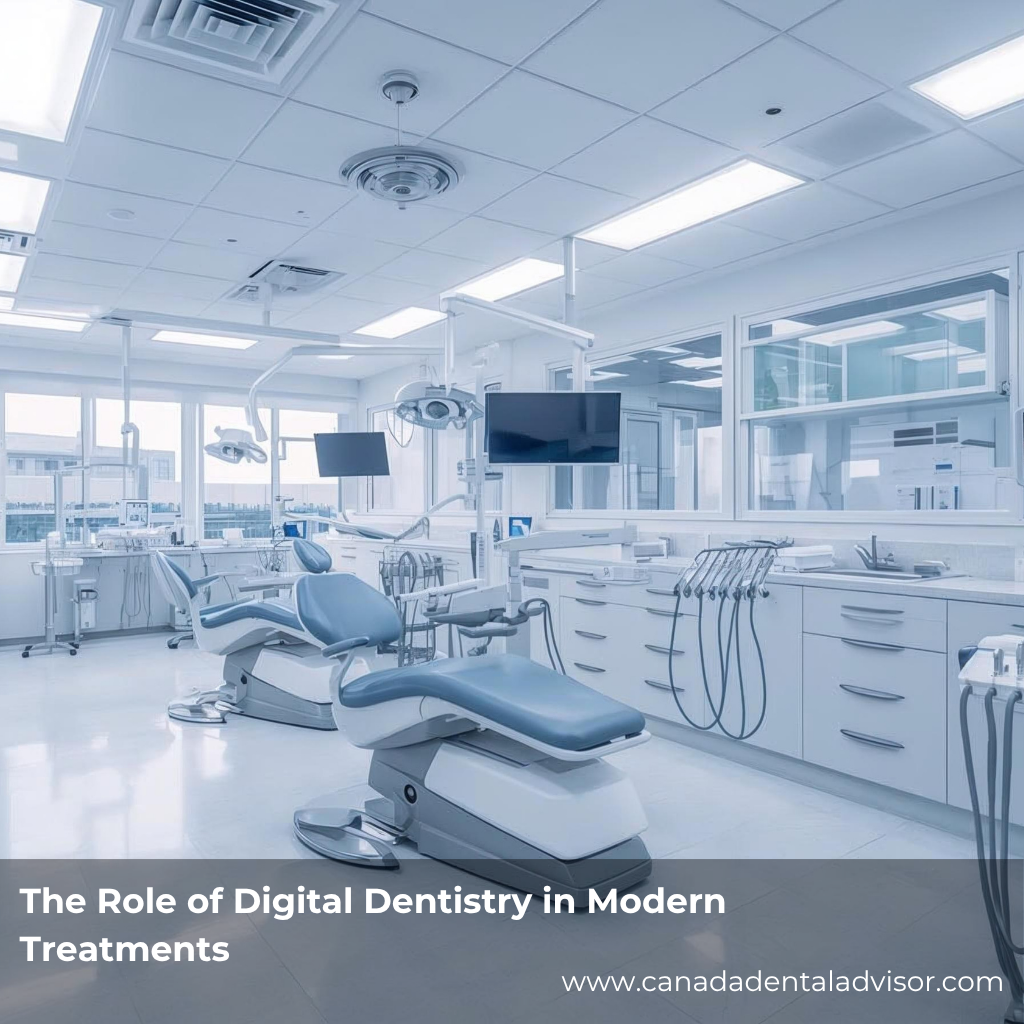
Digital dentistry also strengthens the bond between dentist and patient. Tools like digital charting and AI-assisted diagnostics allow dentists to explain conditions with clarity and transparency. Patients can view X-rays and 3D scans on screens during consultations, making them active participants in their own care.
This open communication fosters trust — and when patients trust their providers, compliance naturally improves.
5. Long-Term Oral Health Through Data-Driven Care
The story doesn’t end when a treatment concludes. Digital records ensure that each patient’s dental history is securely stored and easily accessible for future visits.
This continuity allows dentists to track trends in oral health over years — from bite changes to wear patterns — enabling preventive care before small issues become big problems.
With AI analysis, dentists can even predict risks like gum disease or enamel erosion, offering proactive care that supports lifelong oral health.
6. The Ripple Effect: A Healthier, Happier Future
By integrating personalized plans with advanced technology, digital dentistry promotes more than just aesthetic improvement — it enhances overall wellness. A well-aligned bite can ease jaw tension, proper oral hygiene reduces systemic inflammation, and restored confidence in one’s smile often boosts mental health.
Every digital scan, every personalized plan, and every data-driven decision contributes to a healthier, happier patient.
Conclusion: A Smile Designed for You
Digital dentistry isn’t just about high-tech gadgets — it’s about human-centered innovation. By combining precision technology with individualized care, dentists can deliver treatments that are more comfortable, effective, and lasting.
As patients continue to expect personalized experiences in every aspect of healthcare, digital dentistry stands at the forefront — ensuring that every smile tells a story of care, collaboration, and confidence.
The future of oral health isn’t just digital — it’s deeply personal.
Frequently Asked Questions
1. What is digital dentistry?
Digital dentistry refers to the use of advanced technologies like 3D imaging, CAD/CAM design, and AI diagnostics to improve accuracy, comfort, and outcomes in dental treatments.
2. How do individualized digital care plans improve results?
They provide customized solutions based on each patient’s unique dental structure, leading to better fits, faster recovery, and long-lasting outcomes.
3. Are digital impressions more accurate than traditional molds?
Yes — digital impressions are more precise, faster, and far more comfortable than traditional methods using impression material.
4. How does digital dentistry improve patient compliance?
Through visual tools like 3D simulations and progress tracking, patients understand their treatment better, making them more motivated to follow through.
5. Is digital dentistry safe?
Absolutely. Digital tools reduce the need for invasive procedures and minimize error, offering a safer, more predictable experience.
6. What are examples of digital dental tools?
Intraoral scanners, 3D printers, CAD/CAM milling machines, AI diagnostic software, and digital X-rays are common examples.
7. Does digital dentistry cost more?
While initial technology costs can be higher, the precision and reduced treatment time often make it cost-effective in the long run.
8. Can digital dentistry be used for all patients?
Yes, digital tools can benefit almost every patient — from routine checkups to complex restorations and orthodontic treatments.