The Heart of Biological Dentistry
Biological dentistry, sometimes called holistic dentistry or biocompatible dentistry, is built on the idea that oral health directly influences overall wellness. Biological dentists consider how dental materials, procedures, and even diet can impact the body’s natural balance.
For example:
-
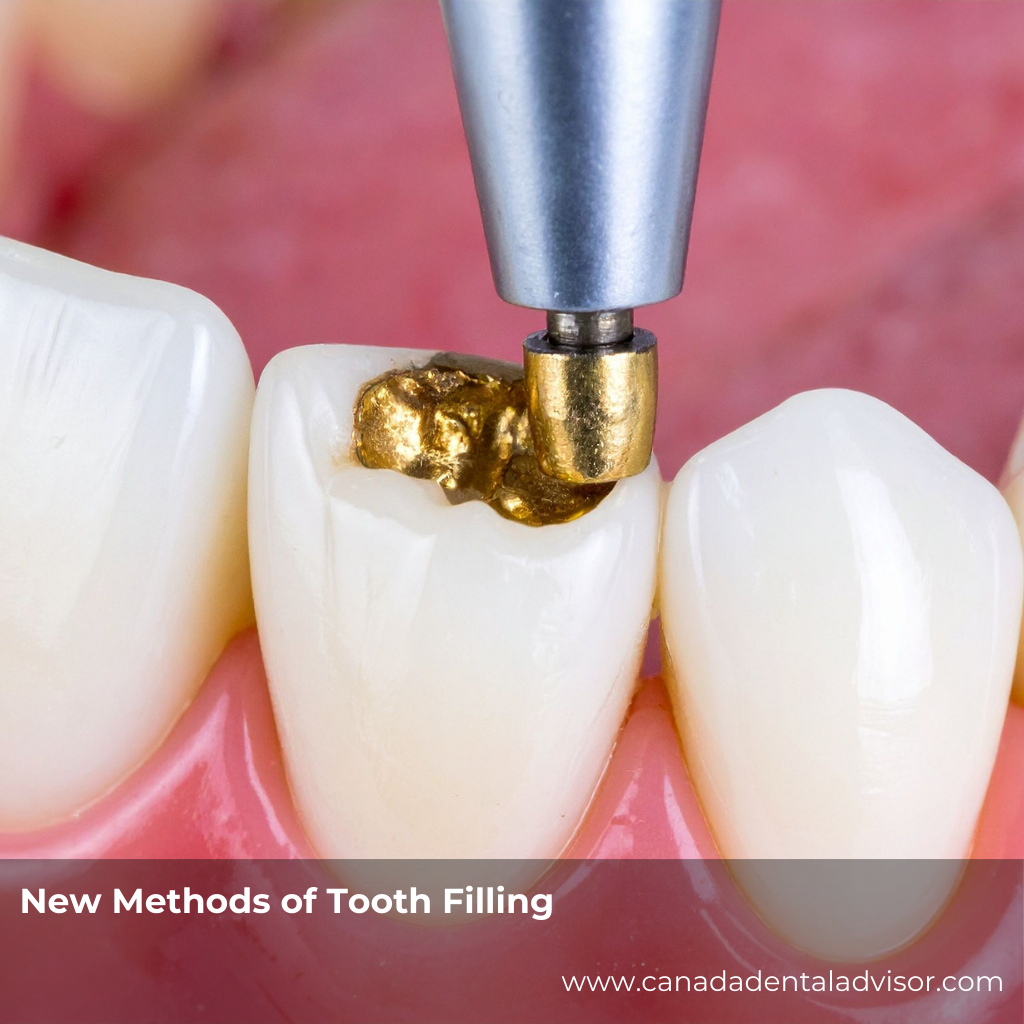
They may choose mercury-free fillings to avoid introducing toxins.
-
They use biocompatible materials that harmonize with your body’s immune system.
-
They often incorporate nutrition counseling and lifestyle recommendations to promote natural healing.
At its core, biological dentistry treats patients—not just symptoms.
Why Individualized Care Matters
Every patient’s mouth is unique—so are their health histories, sensitivities, and goals. That’s why individualized care plans form the foundation of biological dentistry.
When a dentist takes time to understand a patient’s full story—medical history, diet, stress levels, and even emotional health—they can create a customized plan that supports total wellness.
1. Improved Treatment Outcomes
Personalized plans ensure that each procedure complements the patient’s body chemistry and lifestyle. For instance:
-
A patient with metal sensitivities might receive ceramic implants instead of titanium.
-
Someone prone to inflammation might benefit from ozone therapy or laser dentistry to minimize tissue irritation.
This precision not only improves the success rate of treatments but also reduces complications and promotes faster healing.
2. Enhanced Patient Compliance
When patients understand why a specific material or method is chosen for them, they’re more likely to follow through with care instructions.
A patient-centered approach builds trust and encourages participation. Instead of feeling like passive recipients of care, patients become active partners in their health journey.
Imagine being told not just what you need, but how it fits into your broader health goals—suddenly, dental visits become less intimidating and more empowering.
3. Long-Term Oral and Whole-Body Health
Biological dentistry focuses on prevention and balance. It’s not about quick fixes but about creating conditions where disease is less likely to thrive.
By identifying underlying causes—such as chronic inflammation, nutrient deficiencies, or systemic conditions—dentists can prevent recurring problems before they start.
Over time, individualized plans:
-
Support a stronger immune system
-
Reduce inflammation
-
Promote sustainable oral health habits
-
Lead to better energy, digestion, and even sleep
It’s dentistry that sees the mouth as the gateway to the body—and health as a lifelong partnership.
A Day in a Biological Dental Practice
Let’s imagine a visit.
Emma, a new patient, arrives with concerns about recurring gum irritation and fatigue. Instead of jumping straight to treatment, her dentist begins with a comprehensive consultation—reviewing her medical history, diet, and even her environment.
After diagnostic imaging and a conversation about her daily habits, the dentist recommends a personalized plan:
-
Replace an old metal filling with a biocompatible resin
-
Incorporate vitamin-rich foods to strengthen gum tissue
-
Use a natural antimicrobial mouth rinse
Within months, Emma notices not only healthier gums but improved overall energy. This isn’t coincidence—it’s the biological connection at work.
The Future of Dentistry Is Personalized
As more patients seek integrative, patient-centered care, biological dentistry continues to grow. It aligns with a broader shift in medicine toward personalized health, where treatments are tailored to individual biology rather than one-size-fits-all solutions.
Modern technology—like 3D imaging, salivary diagnostics, and genetic testing—enhances this approach, allowing dentists to fine-tune care even further.
The result? A field of dentistry that honors both science and the body’s natural wisdom.
Conclusion
Biological dentistry is more than a method—it’s a mindset. By emphasizing individualized care, it bridges the gap between oral health and overall wellness.
Patients experience better outcomes, stronger compliance, and lasting well-being—not because treatments are faster or flashier, but because they’re truly personal.
If you’ve ever wished your dentist understood the “whole you,” biological dentistry may be exactly what your smile—and your body—have been waiting for.
FAQs About Biological Dentistry
1. How is biological dentistry different from traditional dentistry?
Traditional dentistry focuses mainly on teeth and gums, while biological dentistry considers the impact of dental treatments on the entire body.
2. Are biological dental materials safe?
Yes, biological dentists use biocompatible, non-toxic materials tested for compatibility with the patient’s immune system.
3. Do biological dentists still use fluoride?
Some do, but many offer fluoride-free alternatives, using natural remineralizing agents instead.
4. What kind of patients benefit most from biological dentistry?
Patients with allergies, chronic illnesses, or sensitivities to metals and chemicals often see major benefits.
5. Is biological dentistry evidence-based?
Yes, it combines modern scientific research with holistic principles, ensuring treatments are both effective and safe.
6. How often should I visit a biological dentist?
Like conventional care, most recommend checkups every six months—but personalized plans may adjust this based on your health.
7. Can biological dentistry help with chronic fatigue or headaches?
It can—by addressing hidden dental infections, bite issues, or toxic materials that may contribute to systemic inflammation.
8. Does insurance cover biological dental care?
Coverage varies, but many biological procedures are equivalent to standard treatments and may be reimbursed similarly.