A Journey, Not Just a Treatment
Meet Sara, a 28-year-old professional who had always been self-conscious about her crowded teeth. When she visited her orthodontist, she was surprised to learn how much personalization went into her treatment planning.
Her orthodontist used 3D imaging to simulate her smile transformation with both braces and aligners. Together, they decided on clear aligners — not because they were invisible, but because her lifestyle and oral health habits fit them best.
Just like Sara, every patient’s orthodontic journey is different. This is why individualized care — considering bite alignment, oral hygiene habits, age, and even personality — makes all the difference.
1. Tailored Treatment Improves Outcomes
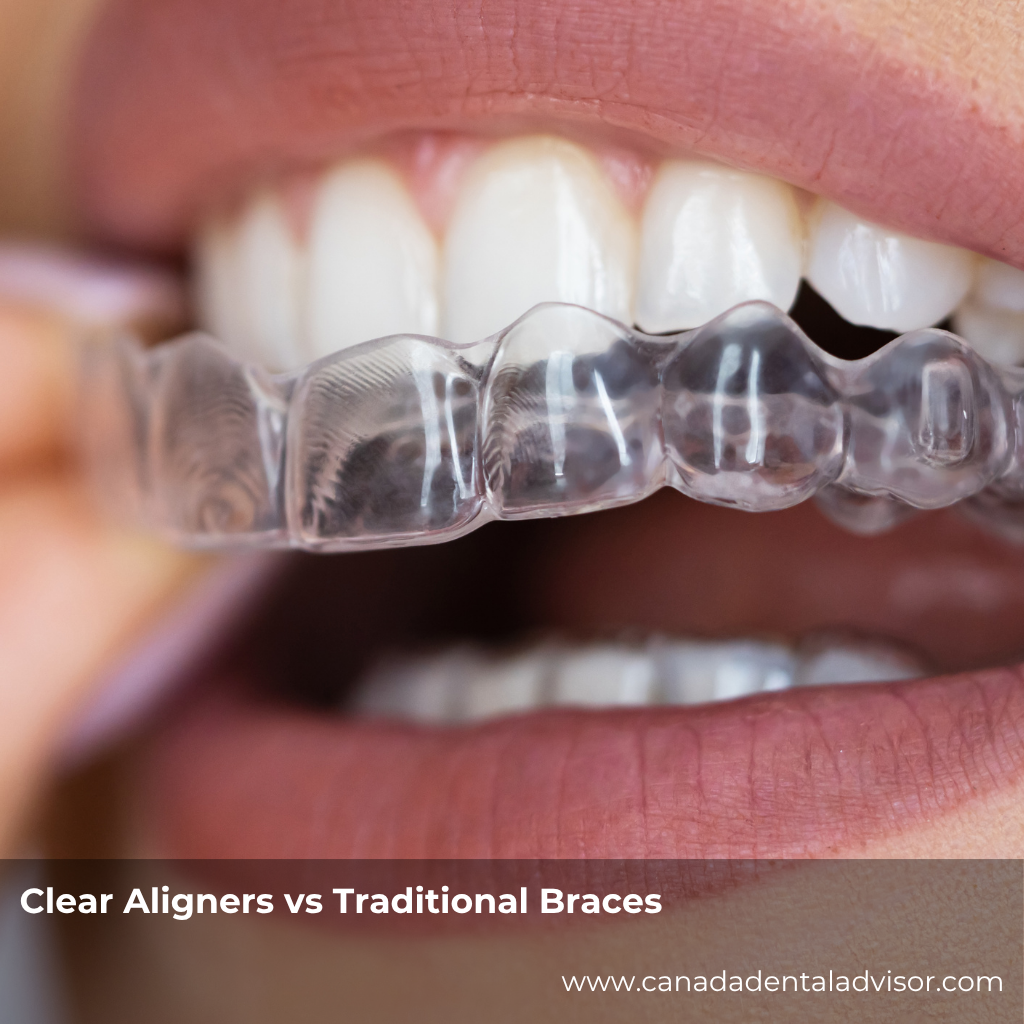
Traditional braces use brackets and wires to apply consistent pressure, while clear aligners use a series of custom-molded trays. In both cases, a personalized treatment plan determines how each tooth moves — and at what pace.
Why personalization matters:
-
Precision tooth movement: Digital scans and 3D treatment planning allow orthodontists to control the direction and timing of every adjustment.
-
Reduced treatment time: Customized plans often streamline tooth movement, minimizing unnecessary delays or discomfort.
-
Better alignment results: Personalized approaches account for root positioning, bone density, and bite forces — all of which lead to more stable, long-lasting results.
For example, a patient with a deep bite might respond better to braces that provide stronger vertical control, while another with mild crowding might achieve optimal results with a well-designed series of aligners.
2. Personalization Encourages Patient Compliance
Compliance — especially with removable clear aligners — is a cornerstone of treatment success. When patients feel their care plan fits their life, they’re far more likely to follow through.
Here’s how individualized care helps:
-
Lifestyle alignment: Some patients prefer aligners for their flexibility; others feel more comfortable with braces that don’t require remembering to reinsert trays.
-
Personal motivation: When orthodontists involve patients in choosing their treatment, it fosters ownership and commitment.
-
Ease of progress tracking: Modern orthodontic tools, including mobile apps and virtual check-ins, can be tailored to each patient’s habits and motivation levels.
Imagine a busy college student who travels frequently — aligners might make sense for her lifestyle. Meanwhile, a younger teen might benefit from braces to avoid the temptation of removing trays too often. The key is matching the method to the person, not the other way around.
3. Customized Plans Support Long-Term Oral Health
Individualized care doesn’t end when the braces come off or the last aligner is worn. The retention phase — ensuring teeth stay in their new positions — is just as critical.
Benefits of personalized retention and aftercare:
-
Tailored retainers: Each patient’s retainer type and wear schedule can be customized to their bite and risk of relapse.
-
Preventive guidance: Patients receive specific oral hygiene recommendations based on their tooth movement history and gum health.
-
Sustained motivation: Personalized follow-up plans help patients stay accountable and maintain their results.
When orthodontists design care that fits a person’s habits, oral environment, and goals, the benefits last for years — even decades.
4. The Role of Technology in Personalization
Modern orthodontics has evolved beyond molds and metal. Advanced imaging, AI-based predictions, and digital monitoring have made personalized care not just possible, but standard.
-
3D scanning and digital simulation: These tools visualize tooth movement before treatment even begins.
-
AI-driven adjustments: Some clear aligner systems automatically adjust upcoming trays based on real-time progress.
-
Teleorthodontics: Virtual check-ins allow orthodontists to monitor progress remotely and adjust care plans on the fly.
These innovations empower both patients and clinicians, creating a collaborative, transparent journey toward a perfect smile.
Clear Aligners vs Traditional Braces: The Choice Is Personal
There’s no universal “best” option. Instead, the best choice depends on each person’s:
-
Orthodontic complexity
-
Lifestyle and routines
-
Budget and expectations
-
Willingness to maintain oral hygiene and compliance
Ultimately, the success of any orthodontic treatment comes down to how well it’s tailored to the individual — not just the technology used.
Conclusion: The Future of Orthodontics Is Individualized
Whether you choose clear aligners or traditional braces, what truly determines success is how your treatment is planned, adjusted, and supported. Personalized orthodontic care isn’t just about achieving straight teeth — it’s about improving comfort, confidence, and long-term oral health.
A customized approach transforms orthodontics from a mechanical process into a partnership — one that prioritizes you, your habits, and your goals. Because in the end, every smile deserves a treatment plan as unique as the person behind it.
Frequently Asked Questions
1. Are clear aligners as effective as braces?
Yes, for many mild to moderate cases, clear aligners can be just as effective as braces when patients follow the treatment plan consistently.
2. How long does each treatment take?
Treatment time varies. Clear aligners typically range from 6 to 18 months, while braces may take 18 to 24 months depending on case complexity.
3. Can I switch from braces to aligners mid-treatment?
In some cases, yes. Your orthodontist can assess your progress and determine if transitioning to aligners is beneficial.
4. Do personalized care plans cost more?
Not necessarily. While technology-based customization may add cost, personalized care can shorten treatment and reduce complications, balancing expenses overall.
5. How often should I visit my orthodontist?
Braces typically require in-office adjustments every 4–6 weeks. Aligners often need fewer visits, with remote monitoring available for convenience.
6. What happens after treatment ends?
You’ll need a retainer — custom-made to maintain your results. Your orthodontist will design a schedule and type suited to your bite.
7. Are aligners suitable for kids?
Yes, newer aligner systems are available for children and teens, provided they can commit to wearing them as instructed.