Understanding Broken Teeth in Children
Common Types of Dental Injuries
Broken teeth in children can range from minor to severe:
-
Chipped enamel: Small fractures affecting only the outer layer
-
Fractured tooth: Damage extending into dentin or pulp
-
Displaced tooth fragments: Pieces partially detached
-
Root or nerve involvement: More complex trauma requiring urgent care
Each type of injury requires a different treatment strategy, reinforcing the importance of individualized care.
Why Pediatric Dental Emergencies Are Unique
Children’s teeth are still developing, and damage to baby teeth or erupting permanent teeth can affect:
-
Tooth alignment
-
Jaw growth
-
Speech development
-
Confidence and self-esteem
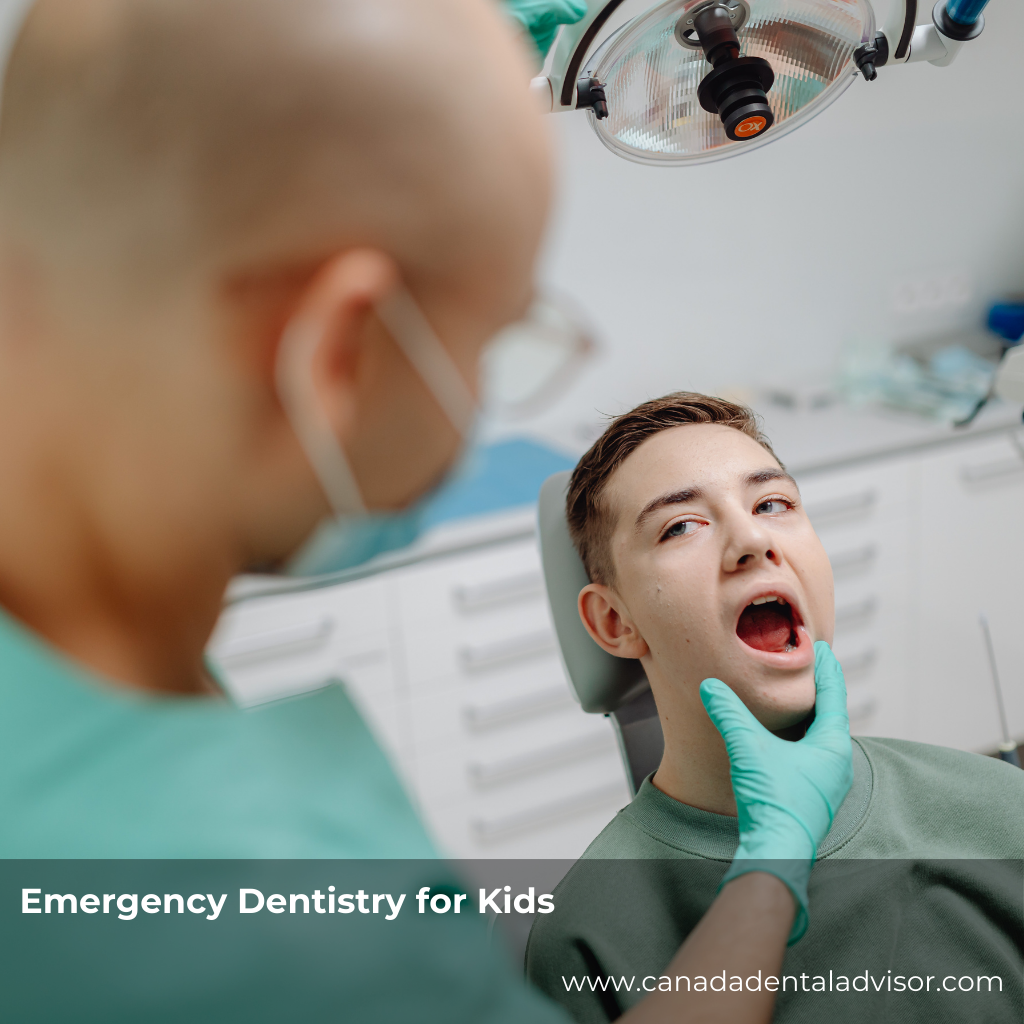
Emergency dentistry for kids must account for these developmental factors to prevent long-term complications.
What Is an Individualized Care Plan?
An individualized care plan is a customized treatment approach based on a child’s specific clinical, emotional, and developmental needs. In emergency situations involving broken teeth, these plans consider:
-
The child’s age and stage of dental development
-
Severity and location of the fracture
-
Pain level and anxiety
-
Medical history and special healthcare needs
-
Family preferences and ability to follow care instructions
This personalized approach ensures care is both effective and child-centered.
Improving Treatment Outcomes Through Personalization
Accurate Diagnosis and Targeted Treatment
Individualized care allows pediatric dentists to choose the most appropriate intervention, such as:
-
Smoothing or bonding for minor chips
-
Composite restorations for moderate fractures
-
Pulp therapy or crowns for deeper damage
-
Monitoring rather than immediate treatment when appropriate
Tailoring treatment reduces the risk of complications like infection, nerve damage, or premature tooth loss.
Minimizing Trauma and Recovery Time
By selecting the least invasive option suitable for the child’s condition, dentists can:
-
Reduce discomfort
-
Speed healing
-
Preserve as much natural tooth structure as possible
This leads to better clinical outcomes and healthier developing teeth.
Enhancing Patient Compliance in Emergency Care
Addressing Fear and Anxiety
Dental emergencies can heighten a child’s fear. Individualized care plans often include:
-
Age-appropriate explanations
-
Behavior guidance techniques
-
Distraction methods or sedation when necessary
When children feel understood and safe, they are more likely to cooperate during treatment.
Clear, Customized Home Care Instructions
Post-treatment compliance is critical. Personalized guidance helps families understand:
-
How to manage pain
-
What foods to avoid
-
Proper oral hygiene techniques
-
Signs that require follow-up care
When instructions align with a child’s routine and abilities, parents are more likely to follow them consistently.
Supporting Long-Term Oral Health
Preventing Future Dental Problems
Emergency dentistry for kids doesn’t end once the tooth is repaired. Individualized care plans often include:
-
Follow-up visits to monitor healing
-
Preventive treatments like sealants or fluoride
-
Sports mouthguard recommendations
-
Education on injury prevention
These steps reduce the likelihood of repeat trauma or secondary dental issues.
Building Positive Dental Attitudes
A calm, personalized emergency visit can reshape how a child views dental care. Positive experiences:
-
Reduce dental anxiety
-
Encourage regular dental visits
-
Promote lifelong oral hygiene habits
This emotional component is just as important as the physical repair of a broken tooth.
The Role of Parents in Individualized Emergency Dental Care
Parents are essential partners in successful treatment. Personalized care plans empower parents by:
-
Involving them in decision-making
-
Explaining treatment options clearly
-
Offering realistic expectations and timelines
This collaboration builds trust and ensures continuity of care long after the emergency visit.
Conclusion
Broken teeth are among the most common pediatric dental emergencies, but their impact can extend far beyond the initial injury. Individualized care plans in emergency dentistry for kids improve treatment outcomes by addressing each child’s unique clinical and emotional needs. They enhance patient compliance by reducing fear and simplifying home care, and they foster long-term oral health by encouraging prevention and positive dental experiences.
When emergency dental care is personalized, children don’t just heal—they grow into confident patients with healthier smiles for life.
Call to Action: If your child experiences a broken tooth, seek prompt care from a pediatric dentist who prioritizes individualized emergency treatment for the best possible outcome.
Frequently Asked Questions (FAQs)
1. What should I do immediately if my child breaks a tooth?
Rinse the mouth with water, apply a cold compress for swelling, save any tooth fragments, and contact a pediatric dentist right away.
2. Are broken baby teeth treated differently than permanent teeth?
Yes. Treatment depends on the tooth type, injury severity, and impact on developing permanent teeth.
3. Will my child need a crown for a broken tooth?
It depends on how much of the tooth is damaged. Crowns are often used for larger fractures to protect the tooth.
4. How does individualized care reduce dental anxiety?
By tailoring communication, pacing, and treatment methods to the child’s comfort level, dentists create a more reassuring experience.
5. Can a broken tooth affect my child’s future oral health?
Without proper care, yes. Prompt, personalized treatment helps prevent infection, alignment issues, and long-term damage.
6. How long does recovery take after emergency dental treatment?
Minor injuries may heal quickly, while more complex cases require follow-up visits over several weeks or months.
7. Can broken teeth be prevented?
Many injuries can be reduced with mouthguards during sports, good supervision, and regular dental checkups.