The Link Between Braces and Confidence
A healthy, well-aligned smile has a powerful effect on how people see themselves and how they are perceived by others. Crooked, crowded, or misaligned teeth can lead to self-consciousness, social anxiety, and even avoidance of smiling or speaking in public.
Braces gradually correct these issues, leading to:
-
Improved facial harmony and smile aesthetics
-
Better speech and chewing function
-
Increased willingness to smile and engage socially
As teeth move into proper alignment, patients often experience a noticeable boost in self-esteem—even before treatment is complete. This confidence grows stronger when patients feel supported and understood through a care plan designed specifically for them.
What Is an Individualized Orthodontic Care Plan?
An individualized care plan is a customized roadmap for orthodontic treatment. Rather than applying a one-size-fits-all approach, orthodontists assess multiple factors to tailor care, including:
-
Dental alignment and bite issues
-
Age and jaw development
-
Oral hygiene habits
-
Lifestyle and daily routines
-
Personal goals and aesthetic preferences
Using digital scans, X-rays, and clinical evaluations, orthodontists design a plan that determines the type of braces, treatment timeline, adjustment schedule, and at-home care recommendations best suited to each patient.
How Personalized Care Improves Treatment Outcomes
1. Targeted and Efficient Tooth Movement
Customized treatment plans allow orthodontists to apply precise forces to specific teeth at the right time. This targeted approach:
-
Reduces unnecessary discomfort
-
Minimizes treatment delays
-
Improves overall efficiency
When braces are planned with the patient’s unique anatomy in mind, teeth move more predictably, leading to better alignment and bite correction.
2. Reduced Risk of Complications
Individualized care accounts for risk factors such as gum health, enamel strength, and jaw structure. By addressing these early, orthodontists can:
-
Prevent root resorption
-
Reduce the likelihood of gum irritation
-
Avoid relapse after treatment
This proactive approach leads to safer, more stable results.
Enhancing Patient Compliance Through Personalization
Patient compliance—how well someone follows treatment instructions—is critical to orthodontic success. Personalized care plans significantly improve compliance in several ways.
Clear Expectations and Motivation
When patients understand why specific instructions matter to their treatment, they are more likely to follow them. Individualized plans clearly outline:
-
Expected treatment duration
-
The role of elastics, retainers, or aligners
-
How daily habits affect results
Seeing how their actions directly influence outcomes motivates patients to stay on track.
Lifestyle-Friendly Treatment Options
Customized plans consider work, school, sports, and social activities. For example:
-
Teens involved in sports may benefit from specific appliance choices
-
Adults may prefer discreet options like ceramic braces or clear aligners
When treatment fits seamlessly into daily life, patients are more consistent with care routines and appointments.
Building Long-Term Oral Health Habits
Orthodontic treatment is not just about straight teeth—it’s an opportunity to establish healthy habits that last a lifetime.
Improved Oral Hygiene Awareness
Personalized care includes tailored oral hygiene instructions based on the patient’s needs. This may involve:
-
Specific brushing and flossing techniques
-
Product recommendations
-
Dietary guidance to protect enamel
As patients see the connection between good hygiene and treatment progress, they often maintain these habits long after braces are removed.
Better Bite, Better Health
Correcting misalignment and bite issues reduces uneven tooth wear, jaw strain, and the risk of cavities. Over time, this leads to:
-
Easier cleaning
-
Fewer dental problems
-
Improved overall oral health
Individualized care ensures these benefits are maximized for each patient.
The Emotional Impact of Personalized Orthodontic Care
Feeling heard and supported is a crucial, often overlooked aspect of orthodontic treatment. Personalized care builds trust between patients and providers, creating a more positive experience.
Patients who feel involved in their treatment decisions tend to:
-
Experience less anxiety
-
Feel more confident during the process
-
Take pride in their progress
This emotional support reinforces self-confidence, making the transformation both physical and psychological.
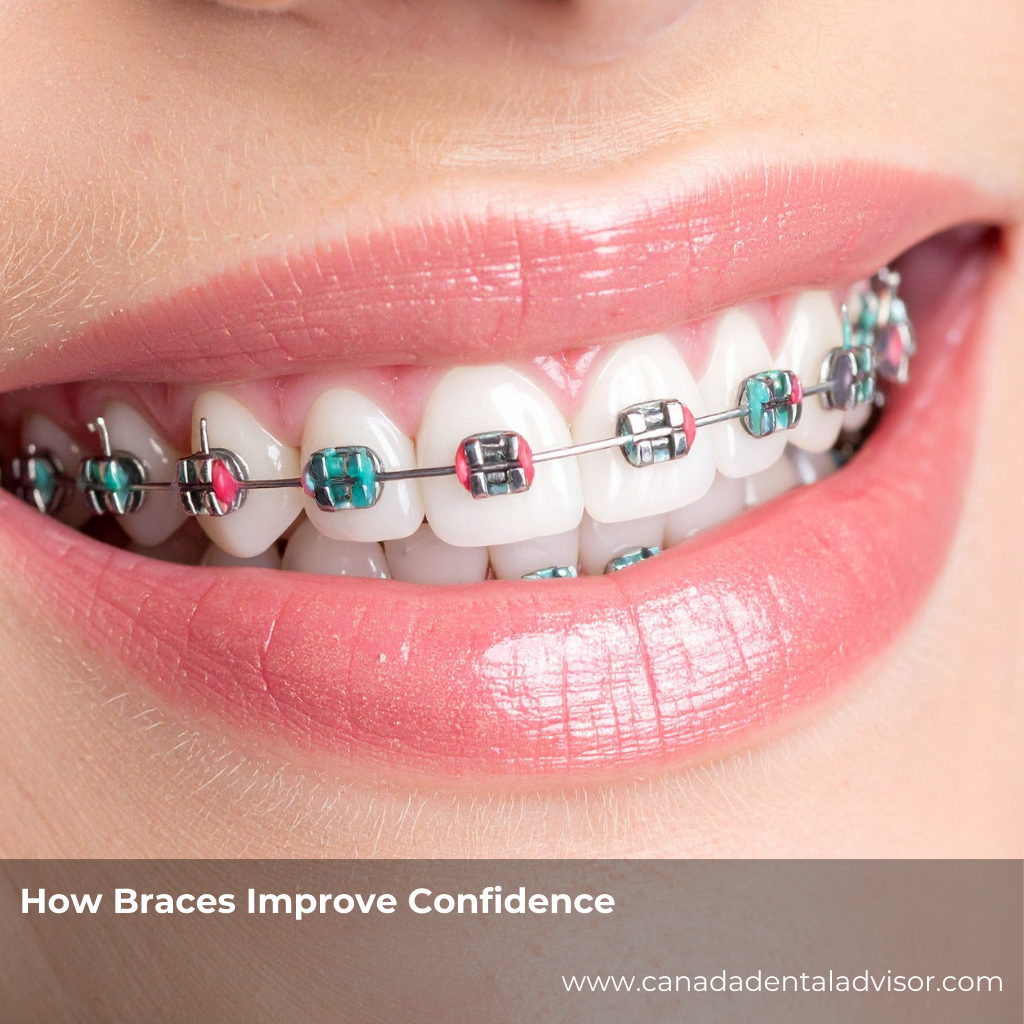
[Image: A confident teen smiling naturally, showing braces in a bright, clean dental environment]
Alt text: Teen smiling confidently with braces after personalized orthodontic care
Conclusion: Confidence Starts with Customized Care
Braces do more than straighten teeth—they empower individuals to smile with confidence and enjoy better oral health for years to come. Individualized care plans are at the heart of this transformation, improving treatment outcomes, encouraging patient compliance, and fostering healthy habits that last a lifetime.
By tailoring orthodontic treatment to each patient’s unique needs, orthodontists not only create beautiful smiles but also support long-term wellness and self-assurance. If you’re considering braces, choosing a provider who prioritizes personalized care can make all the difference in your journey toward a healthier, more confident smile.
Frequently Asked Questions (FAQs)
1. How do braces improve confidence?
Braces enhance smile aesthetics, improve oral function, and help patients feel more comfortable smiling and speaking, leading to higher self-esteem.
2. What makes an orthodontic care plan “individualized”?
It’s tailored to a patient’s dental structure, lifestyle, goals, and oral health needs rather than using a generic treatment approach.
3. Does personalized orthodontic care shorten treatment time?
In many cases, yes. Targeted tooth movement and better compliance often lead to more efficient treatment.
4. How does individualized care improve patient compliance?
Clear expectations, lifestyle-friendly options, and personalized guidance motivate patients to follow instructions closely.
5. Can personalized care reduce discomfort from braces?
Yes. Customized force application and appliance selection help minimize unnecessary pressure and irritation.
6. Do individualized plans help with long-term oral health?
Absolutely. They promote better bite alignment, improved hygiene habits, and reduced risk of future dental problems.
7. Is personalized orthodontic care only for complex cases?
No. Even mild alignment issues benefit from customized planning to ensure optimal results.
8. How often are individualized care plans adjusted?
Plans are reviewed and refined at regular appointments to ensure progress stays on track.
9. Can adults benefit from personalized orthodontic treatment?
Yes. Individualized care is especially valuable for adults with unique aesthetic and lifestyle considerations.
10. What should I look for in an orthodontist offering personalized care?
Look for thorough evaluations, clear communication, modern diagnostic tools, and a willingness to tailor treatment to your needs.