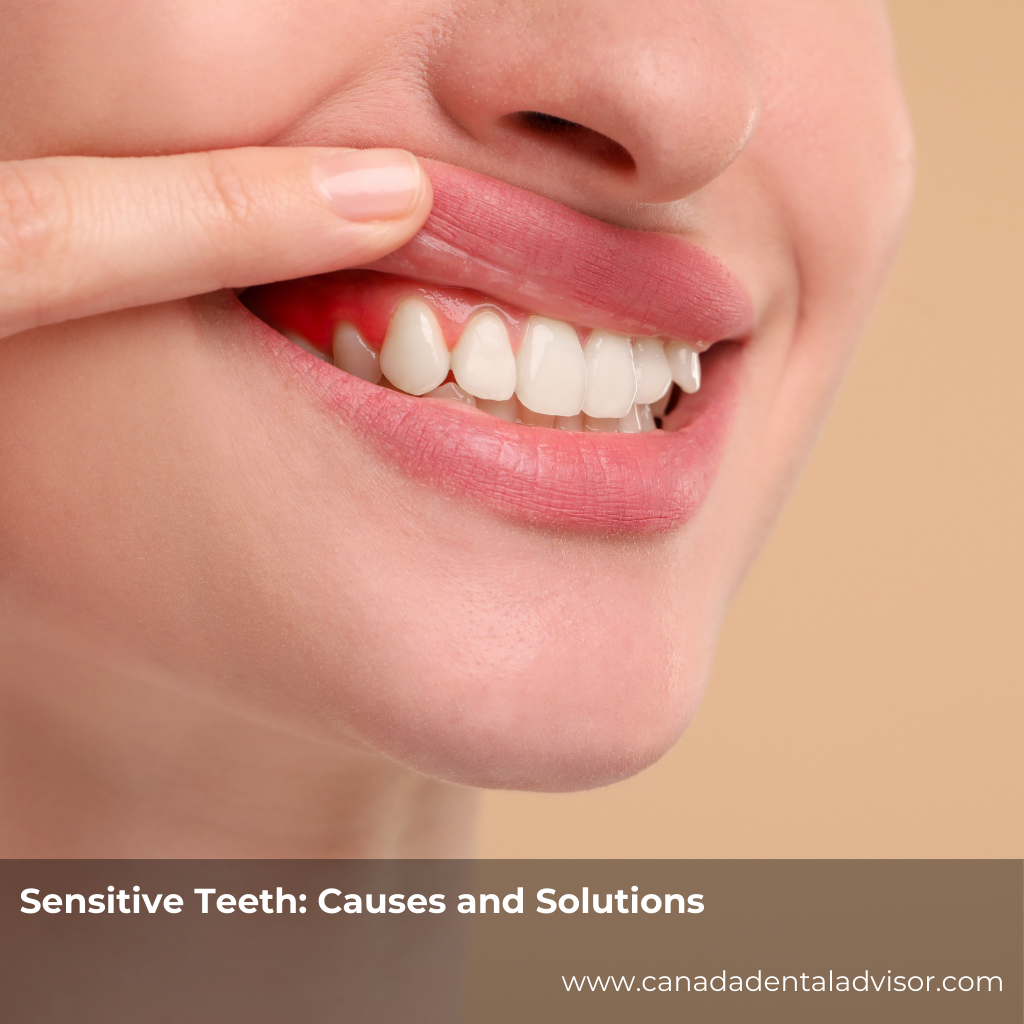
What Causes Sensitive Teeth?
Tooth sensitivity often stems from one or more underlying issues. Common causes include:
1. Enamel Wear
-
Frequent acidic foods and drinks
-
Aggressive brushing
-
Teeth grinding
When enamel thins, it exposes the dentin underneath, making teeth sensitive to temperature, sweets, or pressure.
2. Gum Recession
-
Periodontal disease
-
Poor brushing technique
-
Natural aging
Receding gums expose the tooth’s root, which lacks enamel and is highly sensitive.
3. Tooth Decay or Cracks
Cavities, fractures, or worn dental restorations can create pathways to the nerves inside the tooth.
4. Post-Dental Treatment Sensitivity
It’s common to feel temporary sensitivity after whitening, fillings, or crown work.
5. Medical or Lifestyle Factors
Acid reflux, dry mouth, high-sugar diets, and certain medications can all contribute.
Why Individualized Dental Care Plans Matter
No two mouths are the same. Even when symptoms appear identical, the causes—and therefore the solutions—can be completely different.
This is why personalized treatment plans are so powerful. They address the root cause of a patient’s sensitivity instead of offering one-size-fits-all recommendations.
Tailored Care Improves Outcomes
Imagine two patients:
-
One has sensitivity caused by aggressive brushing.
-
The other has sensitivity from early gum disease.
They both feel the same discomfort, but they require entirely different interventions. Tailored plans ensure each patient receives what they actually need, increasing the likelihood that the sensitivity will resolve—and stay resolved.
Personalization Boosts Patient Compliance
When patients understand why they’re doing something and how it affects their specific condition, compliance skyrockets.
A personalized plan makes patients feel seen, understood, and supported. Instead of vague advice like “use a sensitive toothpaste,” they receive a clear path forward:
-
The exact toothpaste best suited to their issue
-
How often to apply desensitizing agents
-
A brushing technique designed for their enamel and gums
-
Specific behaviors to avoid or adopt
This tailored approach transforms instructions into habits.
Long-Term Oral Health Flourishes
The real power of individualized plans is their ripple effect. When sensitivity is treated thoughtfully:
-
Early gum disease is caught before it worsens.
-
Enamel-damaging habits are corrected.
-
Underlying decay is treated promptly.
-
Patients stay engaged in prevention.
Personalized care acts as both a treatment and preventive strategy, supporting healthier teeth and gums for years to come.
Solutions for Sensitive Teeth (Customized to the Patient)
Here are common solutions that dentists integrate into personalized plans:
1. Desensitizing Toothpaste
Great for enamel wear, mild gum recession, or post-treatment sensitivity.
Potassium nitrate and stannous fluoride help calm the nerves in the dentin.
2. Fluoride Varnishes or Gels
Applied in-office or at home to strengthen enamel and reduce sensitivity over time.
3. Gum Treatments
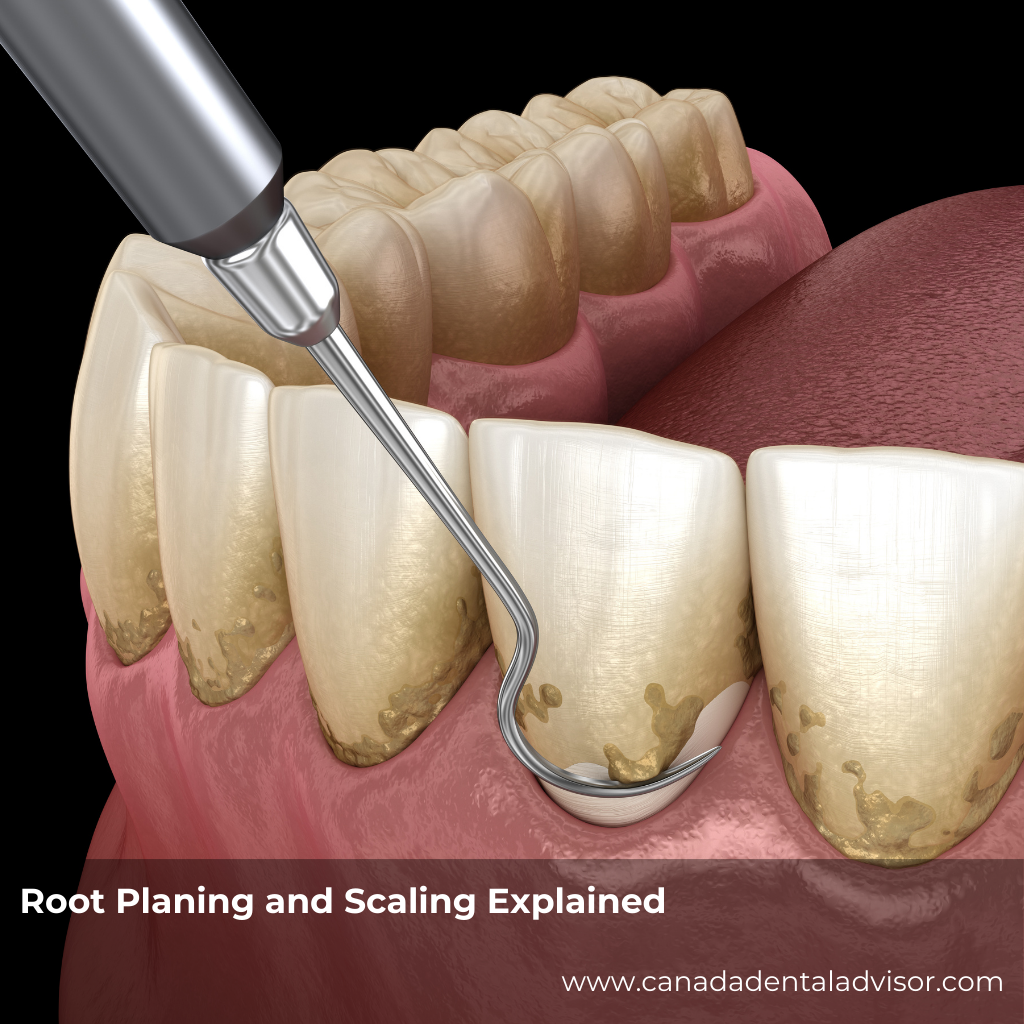
Scaling, root planing, or soft-tissue treatments help when gum recession or inflammation is the cause.
4. Bonding or Sealants
Dentists may cover exposed roots or cracked surfaces to protect sensitive areas.
5. Bite Guards
Ideal for patients who grind or clench, preventing further enamel wear.
6. Dietary Adjustments
Reducing acidic or sugary foods can dramatically lessen symptoms.
7. Restorative Treatments
Crowns, fillings, or root canals are used when structural damage is the root cause.
A Story of Success: How Personalization Changes Everything
Meet Emily, a patient who struggled with sensitivity for years. She tried every over-the-counter option she could find, with little relief.
Her dentist discovered two key issues:
-
She brushed too hard, wearing down enamel.
-
She drank citrus water throughout the day, bathing her teeth in acid.
Instead of guesswork, Emily received a personalized plan:
-
A soft-bristle brush and modified brushing technique
-
A prescription fluoride toothpaste
-
Advice to limit acidic beverages and use a straw
-
Monthly fluoride varnish applications
Within weeks, her sensitivity improved. Within months, it was nearly gone. Personalized care didn’t just fix the problem—it prevented new ones from arising.
Conclusion
Sensitive teeth can disrupt daily life, but the right approach can bring lasting relief. While the causes of tooth sensitivity vary, individualized care plans ensure that treatment is targeted, effective, and sustainable.
By understanding each patient’s unique oral health needs, dentists can create tailored strategies that not only reduce sensitivity but also enhance compliance and support long-term oral wellness.
If you or someone you know struggles with sensitive teeth, consider seeking a personalized exam and treatment plan—it may be the key to a healthier, more comfortable smile.
Frequently Asked Questions
1. What’s the most common cause of sensitive teeth?
Enamel erosion and gum recession are the leading causes, but decay, cracks, and dental procedures also contribute.
2. Can sensitive teeth go away on their own?
Sometimes mild sensitivity resolves, but persistent symptoms typically require dental evaluation.
3. Does whitening toothpaste make sensitivity worse?
Yes, some whitening products can increase sensitivity due to abrasiveness.
4. How can I reduce sensitivity at home?
Use desensitizing toothpaste, avoid acidic foods, and maintain gentle brushing habits.
5. Is tooth sensitivity a sign of a serious problem?
It can be. Sensitivity sometimes indicates decay, cracks, or gum disease—so a dental exam is important.
6. Can my dentist permanently fix sensitive teeth?
In many cases, yes. Solutions like bonding, fluoride treatments, or addressing underlying disease can offer long-term relief.
7. Are natural remedies effective?
Some provide temporary relief, but they’re not substitutes for a personalized dental assessment.
8. How long does it take for treatment to work?
Depending on the cause, improvement can occur in days to weeks.
9. Will I always have sensitive teeth?
Not necessarily. With personalized care, many patients experience significant or complete relief.
10. How can individualized care help me?
It ensures you get targeted treatments based on your unique needs, improving both effectiveness and long-term oral health.