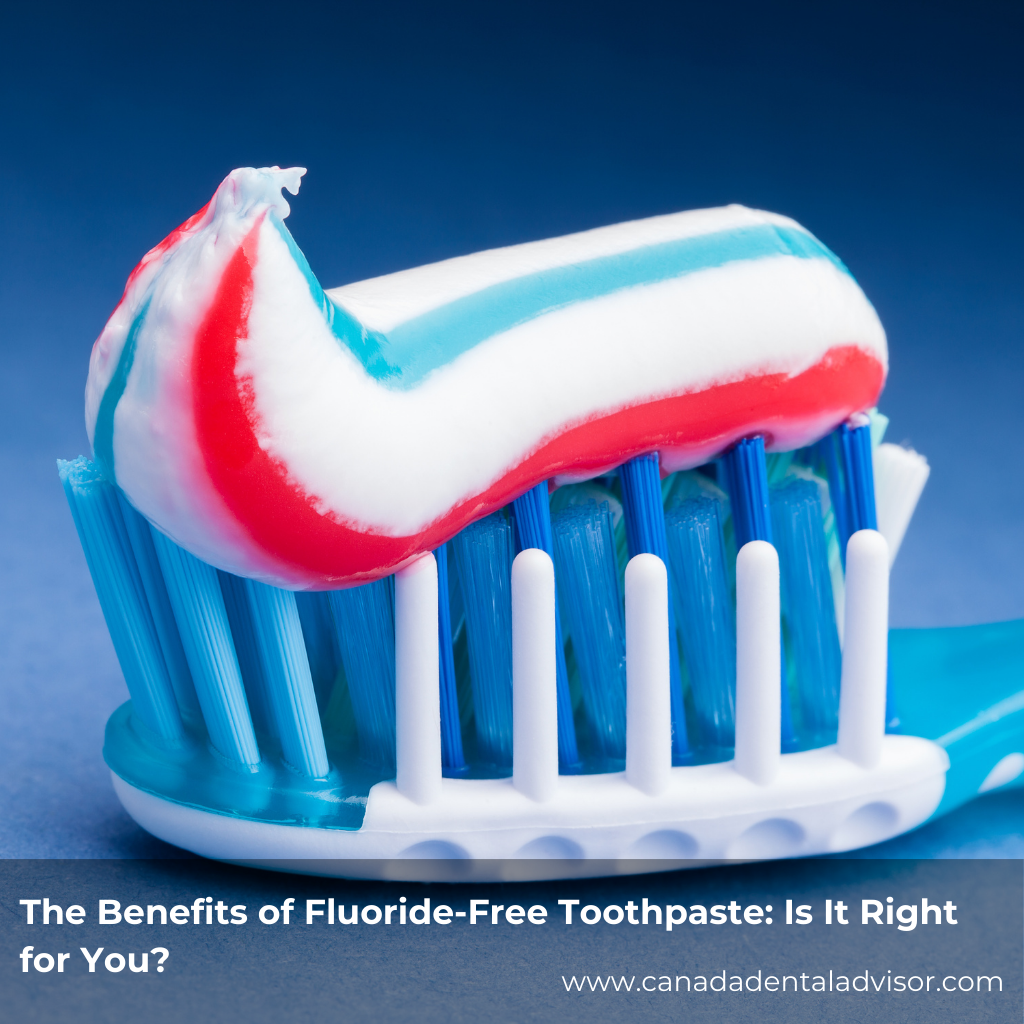
The Rise of Fluoride-Free Options
Fluoride has long been hailed as a cavity-fighting superhero, and for many people, it’s a helpful ally. But just like Sarah, more individuals are exploring alternatives, particularly those with:
-
Sensitivities to fluoride
-
Health conditions requiring limited chemical exposure
-
Preference for natural products
-
Children too young to spit reliably
-
Dry mouth concerns or medication interactions
Fluoride-free toothpaste can offer gentler formulations, often with natural ingredients like xylitol, coconut oil, or herbal extracts, while still promoting a clean, healthy mouth. The key is ensuring that this alternative aligns with the individual’s overall dental care needs.
Why Individualized Care Matters
Just as no two people are exactly alike, no two mouths are either. A personalized oral care plan—one that considers lifestyle, dietary habits, medical conditions, and oral health history—can significantly improve treatment outcomes.
1. Targeted Treatment Strategies
Instead of broadly recommending the same toothpaste to every patient, a dentist can assess:
-
Enamel strength and wear patterns
-
Saliva production levels
-
Dietary sugar intake
-
Past dental work
-
Medication side effects
For example, if a patient like Sarah has a history of dry mouth, her dentist may suggest a fluoride-free toothpaste with soothing ingredients like aloe vera or licorice root to reduce irritation while maintaining oral hygiene.
2. Enhancing Compliance Through Comfort
When patients understand why a certain product is chosen for them and feel more comfortable using it, they’re more likely to stick with it.
Fluoride-free options can:
-
Taste better to some users
-
Reduce side effects like mouth ulcers or gum irritation
-
Align with personal or ethical values (vegan, cruelty-free, organic)
-
Avoid ingredients patients are sensitive to
This increased comfort leads to better adherence, turning twice-daily brushing into a routine that feels good—not like a chore.
3. Supporting Long-Term Oral Health
The ultimate goal isn’t just clean teeth today—it’s lasting health. Individualized care supports long-term outcomes by making dental routines sustainable and tailored to changing life stages.
For instance:
-
Children may start with fluoride-free toothpaste until they can spit reliably.
-
Adults undergoing cancer treatment may require gentle, chemical-free products.
-
Seniors may benefit from specialized toothpaste to combat dry mouth and root decay.
With regular follow-ups, these plans can evolve—just like Sarah’s did when she moved from managing sensitivity to preventing enamel wear with her customized routine.
What to Look for in Fluoride-Free Toothpaste
If you’re considering making the switch, talk to your dentist first. Together, you can find a formula that aligns with your care plan. Some beneficial ingredients to watch for:
| Ingredient | Benefit |
|---|---|
| Xylitol | Reduces cavity-causing bacteria |
| Calcium Phosphate | Remineralizes enamel naturally |
| Aloe Vera | Soothes gums and supports healing |
| Baking Soda | Gently whitens and neutralizes acid |
| Tea Tree Oil | Antimicrobial and reduces inflammation |
Conclusion: Your Smile, Your Choice
Sarah’s story is one of many. What started as a simple switch led to a healthier mouth, greater comfort, and an empowered understanding of her choices. Fluoride-free toothpaste isn’t right for everyone—but for some, it fits perfectly into a thoughtful, personalized oral care plan.
The best toothpaste is the one that works for you, under the guidance of a dental professional who understands your unique needs. So next time you’re in the dental chair, don’t hesitate to ask, “Is fluoride-free toothpaste right for me?”
Frequently Asked Questions
1. Is fluoride-free toothpaste effective?
Yes—especially when it contains ingredients like xylitol and calcium phosphates. It’s best used under a dentist’s guidance to ensure you’re still protecting your teeth.
2. Who should consider fluoride-free toothpaste?
People with fluoride sensitivities, young children, individuals with certain health concerns, or those preferring natural oral care often benefit from fluoride-free options.
3. Can I switch to fluoride-free toothpaste without talking to my dentist?
While you can, it’s better to consult your dentist to ensure it meets your oral health needs and doesn’t compromise cavity prevention.
4. Is natural toothpaste always fluoride-free?
Not always. Some natural brands still include fluoride, so it’s important to check the label if you’re aiming to avoid it.
5. What are the risks of avoiding fluoride?
If not replaced with other remineralizing agents and effective cleaning habits, avoiding fluoride can increase cavity risk—especially for those with high sugar intake or dry mouth.
6. How do I know if my child is ready for fluoride toothpaste?
Generally, once a child can spit out toothpaste reliably (around age 3–6), fluoride can be safely introduced. Always supervise brushing and use a pea-sized amount.



Leave a Reply