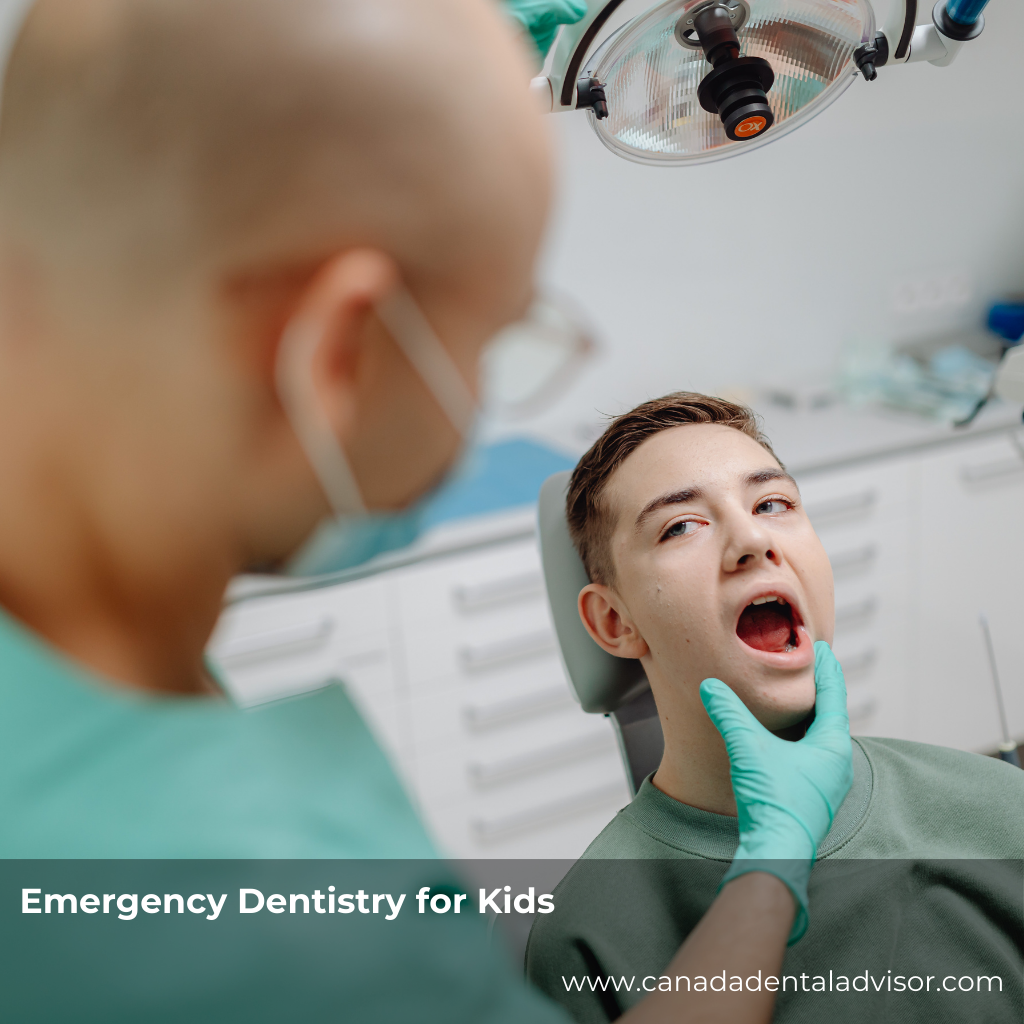
A dental emergency is any oral health issue requiring immediate attention to relieve pain, stop bleeding, or prevent permanent damage. Common examples include:
-
Severe or persistent tooth pain
-
Knocked-out (avulsed) or dislodged teeth
-
Cracked, fractured, or broken teeth
-
Facial swelling or abscesses indicating infection
-
Uncontrolled bleeding after dental trauma or extraction
-
Lost fillings or crowns causing pain or exposure
In these situations, delaying care can worsen the problem. Visiting an emergency dentist promptly ensures stabilization and sets the stage for a personalized treatment strategy.
The Role of Individualized Care Plans in Emergency Dentistry
An individualized care plan is a customized approach that considers a patient’s dental history, medical conditions, lifestyle, risk factors, and personal preferences. In emergency dentistry, personalization is especially important because no two emergencies—or patients—are exactly alike.
Key Elements of a Personalized Emergency Care Plan
-
Detailed assessment of the current emergency
-
Review of medical history (e.g., diabetes, heart conditions, medications)
-
Evaluation of past dental treatments and oral health habits
-
Consideration of pain tolerance, anxiety levels, and time constraints
By integrating these factors, emergency dentists can deliver care that is both effective and patient-centered.
How Individualized Care Plans Improve Treatment Outcomes
1. Accurate Diagnosis and Targeted Treatment
Personalized plans allow dentists to go beyond symptom relief and address root causes. For example, severe tooth pain may stem from infection, fracture, or nerve damage. An individualized assessment ensures the correct intervention—such as drainage, root canal therapy, or extraction—is chosen the first time.
2. Reduced Risk of Complications
Patients with underlying health conditions face higher risks during dental emergencies. Tailoring treatment protocols—such as antibiotic selection or anesthesia type—reduces complications and improves healing outcomes.
3. Faster Recovery and Better Prognosis
When treatment aligns with a patient’s biology and circumstances, recovery tends to be smoother. Customized aftercare instructions, pain management plans, and follow-up schedules help preserve teeth and surrounding tissues whenever possible.
Enhancing Patient Compliance Through Personalization
Compliance is a critical factor in emergency dental success. Even the best treatment can fail if patients do not follow instructions. Individualized care plans significantly improve adherence by making recommendations realistic and understandable.
Clear, Relevant Instructions
Personalized guidance accounts for a patient’s daily routine, work schedule, and comfort level. For example, a tailored medication schedule or dietary advice increases the likelihood that patients will follow through.
Addressing Dental Anxiety
Many emergency visits involve high stress. Customized care plans that include anxiety management strategies—such as sedation options or clear explanations—help patients feel more in control and cooperative.
Building Trust and Engagement
When patients feel heard and understood, they are more likely to trust their emergency dentist. This trust translates into better compliance with treatment, follow-ups, and preventive recommendations.
Supporting Long-Term Oral Health After an Emergency
Emergency dentistry should not end when pain subsides. Individualized care plans bridge the gap between urgent treatment and long-term oral health maintenance.
Preventive Strategies Tailored to Risk
After an emergency, dentists can identify risk factors—such as bruxism, poor oral hygiene, or sports-related trauma—and create preventive plans. These may include custom night guards, hygiene coaching, or protective mouthguards.
Continuity of Care
A personalized roadmap for future care ensures patients know what comes next, whether that involves restorative work, periodontal therapy, or routine checkups. Continuity reduces the chance of repeat emergencies.
Patient Education for Lasting Results
Education tailored to the patient’s condition empowers them to make better oral health decisions. Understanding why an emergency occurred helps patients avoid similar issues in the future.
When to Seek an Emergency Dentist vs. Routine Care
Not every dental issue requires emergency attention. However, seek an emergency dentist if you experience:
-
Intense pain that disrupts sleep or daily activities
-
Signs of infection (swelling, fever, pus)
-
Trauma resulting in tooth displacement or loss
-
Bleeding that does not stop after 10–15 minutes
For minor sensitivity, small chips without pain, or lost fillings without discomfort, a routine dental appointment is often sufficient.
Conclusion
Knowing when to visit an emergency dentist is essential for protecting your oral health. Equally important is the role of individualized care plans in managing dental emergencies. Personalized approaches improve treatment outcomes, enhance patient compliance, and support long-term oral health by addressing each patient’s unique needs.
If you experience a dental emergency, seek prompt care and choose a provider who prioritizes personalized treatment. Doing so not only resolves immediate pain but also lays the foundation for a healthier, more confident smile.
Frequently Asked Questions (FAQ)
1. Can an emergency dentist save a knocked-out tooth?
Yes, if treated quickly. Immediate care and personalized handling increase the chances of successful reimplantation.
2. How fast should I see an emergency dentist for severe pain?
As soon as possible—ideally within 24 hours—to prevent complications and worsening infection.
3. Are emergency dental visits more expensive?
Costs vary, but individualized treatment plans help avoid unnecessary procedures and long-term expenses.
4. What should I bring to an emergency dental appointment?
Bring your medical history, medication list, insurance information, and details about the injury or pain.
5. How do individualized care plans help anxious patients?
They incorporate anxiety management techniques, clear communication, and comfort-focused treatment options.
6. Will I need follow-up care after an emergency visit?
Most cases require follow-up, and personalized plans ensure proper healing and long-term stability.
7. Can emergency dentistry prevent future problems?
Yes. Personalized preventive strategies reduce the risk of recurring emergencies and improve oral health overall.